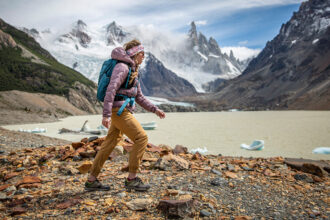
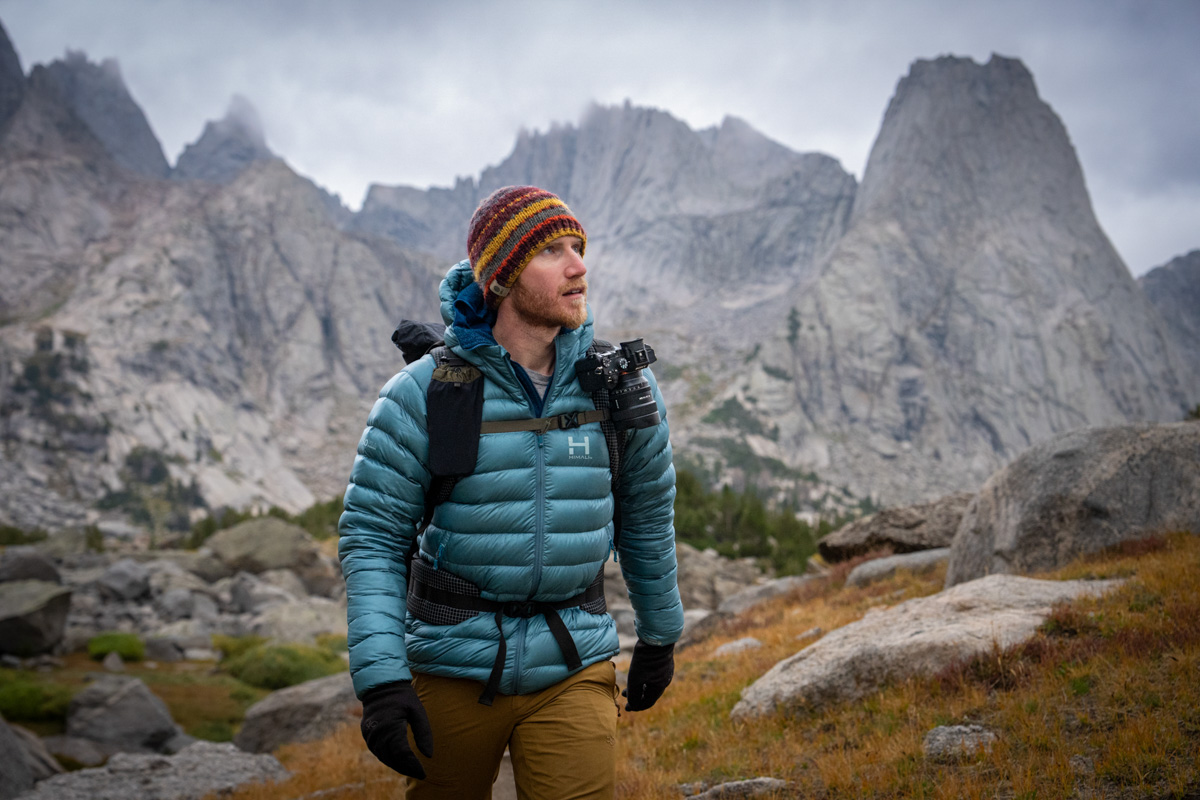
You can do better than an iPhone when capturing life on the trail
Want to capture your hiking trip with cinematic quality? With lighter, more streamlined cameras appearing every year, it’s becoming easier—even ultralight backpackers can do it with ease. While the iPhone’s point-and-shoot camera capabilities improve with each update, a reliable professional camera remains indispensable for capturing the perfect sunset or documenting your journey. The best camera for hiking must be lightweight, durable, and capable of producing stunning photos without adding extra weight. We tested a variety of cameras and ultimately selected our favorites, with the Sony a6700 taking the top spot. For more information, please see our comparison table, purchasing recommendations, and details of our testing methodologies.
Best Cameras for Hiking
1. Sony a6700 ($1600)
Weight: 1 lb 1.4 oz (including battery and memory card)
Pixels: 26MP
Sensor: Exmor R APS-C BSI CMOS
Pros: Lighter than its predecessor; compact and durable body; excellent image quality; ideal for video shooting; magnesium alloy construction, dust and moisture resistant.
Cons: Priced high for beginners; frustrating menu layout; steep learning curve; average battery life.
In terms of value, mirrorless cameras are unparalleled. They pack DSLR-like image sensors into compact bodies, are significantly lighter than DSLRs, and offer superior video quality, higher frame rates, and more advanced features. This makes them ideal for hiking photographers looking to expand their creative horizons. Mirrorless cameras are larger than point-and-shoot cameras but smaller than DSLRs, while APS-C (cropped sensor) cameras further reduce size. Sony’s APS-C mirrorless camera series dominates among hikers and backpackers, offering a lightweight design while professionally capturing journeys. Their latest addition, the a6700, boasts an impressive array of specifications, too many to list: a 26-megapixel sensor, AI autofocus and image stabilization, UHD 10-bit 4K video recording up to 120p (oversampled from 6K resolution), support for multiple color modes including S-Log and S-Cinetone, and expandable ISO sensitivity from 50 to 102400 (100-32000 for video), among others. A few years ago, these specifications would have been unthinkable for such a compact and portable camera.
Our author has been a long-time fan of Sony’s APS-C camera series. He trekked thousands of miles carrying these APS-C “beasts,” traversing every route of the “Triple Crown” (a reference to Sony’s three major camera manufacturers), rigorously testing and trouncing them while filming documentaries for each journey. He experienced several generations of the product and raved about their lightweight, durable bodies and excellent photo and video performance. The Sony a6000 series has few flaws, but a few stand out. The most criticized is its frustratingly cluttered menu layout—a problem we see with every Sony camera—resulting in a steep learning curve. Additionally, it’s quite expensive for photography beginners. The good news is that older models are still readily available and much cheaper. You can buy a very similar camera like the a6400 for a significantly lower price. While a smaller camera (or even just an iPhone) is sufficient for basic photography, a camera like the a6700 can enhance your photo and video capabilities for arduous treks across the country or leisurely evening strolls.
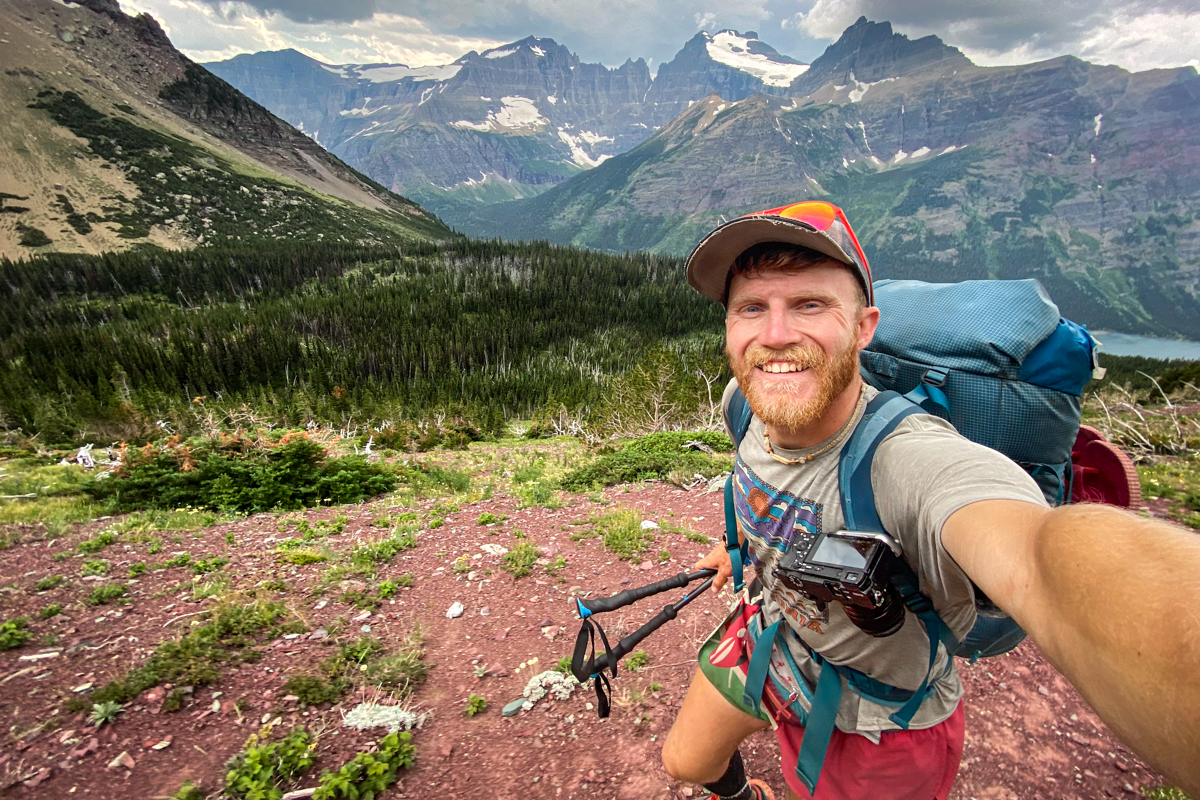
Budget Cameras Best for Hiking
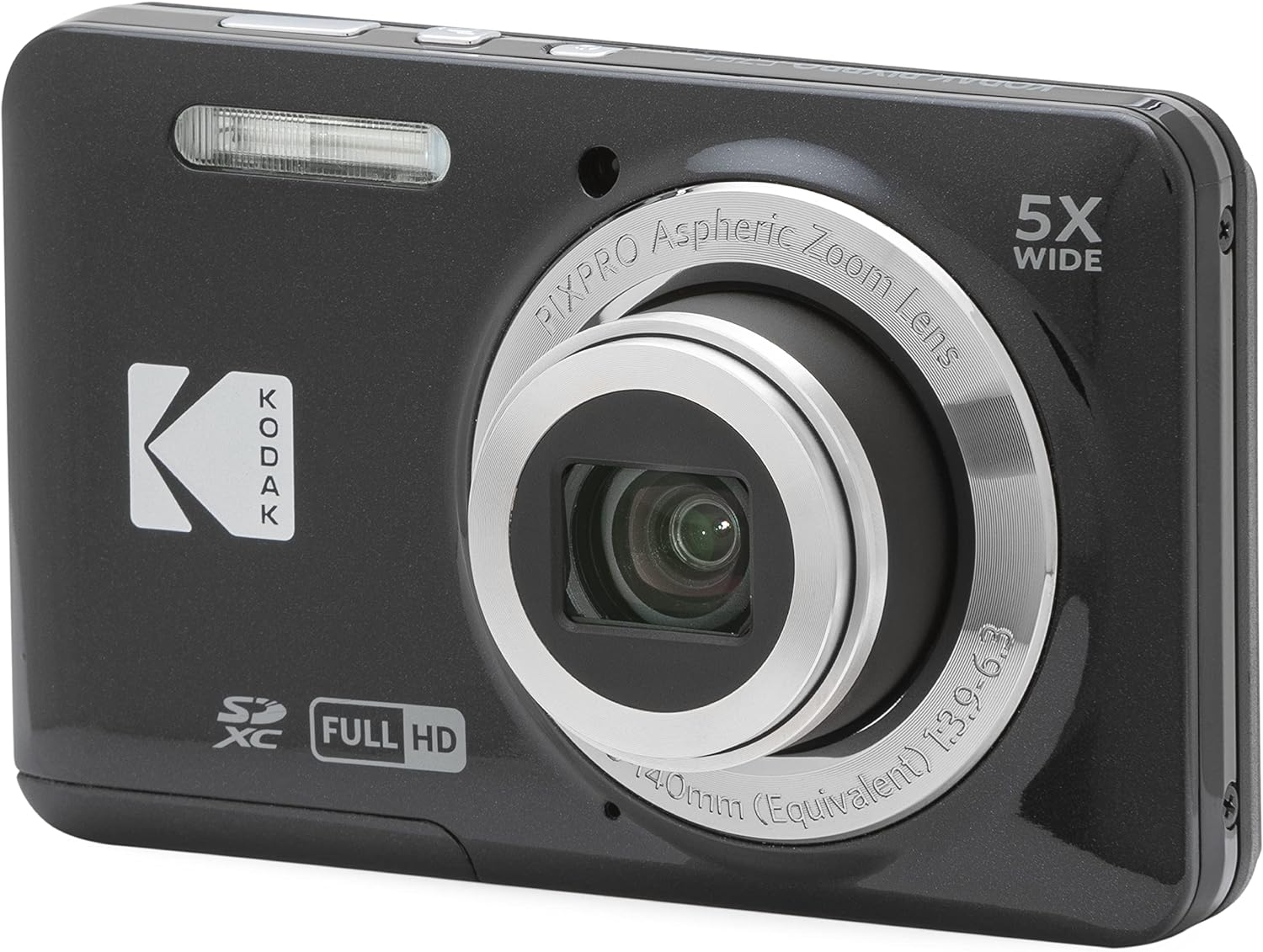
2. Kodak Pixpro FZ55 ($140)
Weight: 3.7 oz.
Pixels: 16 megapixels
Sensor: 1/2.3-inch CMOS
Pros: Affordable; ultra-lightweight; soft bokeh; wide zoom range; easy to operate; large LCD screen.
Cons: No built-in Wi-Fi or Bluetooth; low video resolution; average photo quality; no electronic viewfinder.
While photos taken with this tiny, credit card-sized camera may not grace the cover of National Geographic, its performance far exceeds its size. Weighing only 3.7 oz (about 100 grams), this lightweight and portable camera easily fits in a pocket or waist bag, yet it captures high-quality photos and can even record 1080p HD video. If you’re looking for basic functionality at the lowest possible price, the Pixpro FZ55 is a great option. With the continuous advancements in smartphone cameras, the traditional point-and-shoot camera market has perhaps been hit the hardest—so, is there still any point in carrying such a camera outdoors? We believe the answer is yes. The FZ55 boasts 5x optical zoom (equivalent focal length 28-140mm) and a soft, natural bokeh effect from f/3.9 to f/6.3 (although the aperture is relatively small), with image quality that even the iPhone’s “Portrait Mode” cannot match. Its wide power zoom range, multiple focus options (single autofocus, multiple autofocus, object tracking, and face detection), and acceptable ISO range (100-3200) make it a powerful yet affordable camera.
Unfortunately, for such an inexpensive entry-level camera, you also need to pay a price. Professional photography critics will notice some drawbacks, such as convergence of vertical lines at the 28mm focal length wide open, a noticeable decrease in edge sharpness, a softer image at telephoto ends, and a tendency for overexposure in highlights—but most consumers with a budget under $200 won’t care too much about these specifications. While the ability to shoot 1080p Full HD video at up to 30 frames per second is certainly good, 1080p resolution is rapidly becoming obsolete in today’s digital age. If you’re looking to do any professional video shooting while hiking, we suggest looking elsewhere. Furthermore, this camera lacks built-in Wi-Fi or Bluetooth connectivity, so you’ll need to carry a card reader to transfer photos from your phone to your computer in the wild, or wait until you get home to do so. This is undoubtedly a significant drawback for backpackers who want to share photos during their trips. Overall, however, the Pixpro FZ55 is an excellent choice for budget-conscious hikers who don’t prioritize the highest quality photos or intend to shoot a lot of video.
Rugged Cameras Best for Hiking
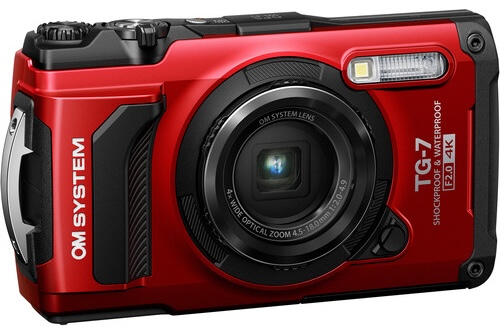
3. OM SYSTEM Tough TG-7 ($550)
Weight: 8.8 ounces.
Pixels: 12 megapixels.
Sensor: 1/2.3-inch CMOS.
Pros: Shoots RAW; 4K video; rugged design; high image quality; built-in GPS, Wi-Fi, and Bluetooth; rich accessories.
Cons: Small sensor size; relatively heavy compared to other point-and-shoot cameras; expensive; most other cameras on this list perform better.
If the Kodak Pixpro is the Honda Accord of point-and-shoot cameras, then the OM SYSTEM Tough TG-7 is an indestructible tank. Let’s take a look at the specifications of this “beast”: IPX8 waterproof rating, usable at depths of 50 feet (approximately 15 meters) (with underwater white balance mode), freeze-proof in temperatures as low as 14°F (approximately -10°C), drop-resistant from 7 feet (approximately 2.1 meters), and can withstand pressure up to 220 pounds (approximately 100 kg), and it’s dustproof—virtually the limit of indestructibility for a camera. While many hikers and backpackers may not need such a rugged design, it’s undoubtedly a foolproof choice for capturing high-quality content on rugged jungle expeditions, boat trips, or thrilling mountain climbs. If you don’t want to worry about any harsh weather on your journey, the TG-7 is the best option. But how well does it perform? In our experience, the image quality of this camera rivals that of some excellent point-and-shoot cameras. It supports RAW format shooting, allows manual adjustment of various parameters, and boasts a large f/2.0 aperture at the wide-angle end, capturing plenty of light. It even supports 4K video recording at 30/24 frames per second—not amazing, but sufficient for most hikers.
So what are its downsides? The 12-megapixel sensor puts it on the edge of the performance spectrum—even smaller than the entry-level PixPro. This means lower image quality, meaning you’ll actually have to shoot in RAW format (i.e., larger file sizes) to get the image quality most photographers want. Considering its weight and competitors, we’d like a wider zoom range, and the 4x optical zoom (24-100mm equivalent) feels somewhat limiting. However, the large aperture of f/2.0-4.9 and the wide ISO range of 100-12800 are highlights, allowing us to shoot in low light and achieve beautiful bokeh in close-up shots. We also really appreciated its ability to transfer files on long treks and even track important environmental data, including GPS photos, pressure gauges, compasses, and thermometers. While the bulky TG-7 brings greater weight, size, and a smaller sensor, it’s one of the most durable designs on the market. For hardcore adventurers who push their limits in harsh conditions—no need to search any further.
The Best Point-and-Shoot Cameras for Hiking
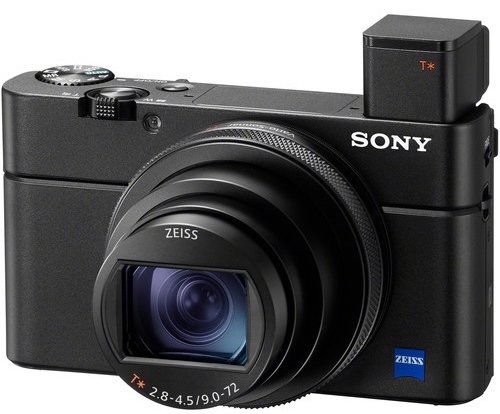
4. Sony RX100 VII ($1700)
Weight: 10.7 ounces.
Pixels: 20.1 megapixels.
Sensor: 1-inch CMOS.
Pros: Such high image quality in such a compact body; Real-time tracking autofocus; Touchscreen; Excellent lens with Zeiss lens; and pop-up electronic viewfinder.
Cons: Pricey for such a small camera; Poor menu layout; Only supports 4K 30fps video recording; We wish it had a larger aperture.
A 200mm focal length in your pocket! The Sony RX100 VII weighs only 10.7 ounces (about 300 grams), not much larger than the PixPro, yet boasts such powerful image quality that it (almost) deserves its somewhat exorbitant price. It’s difficult to make a final choice between the RX100 VII and the a6700, as the RX100 series has quickly become one of the most popular cameras for long hikes and ultra-lightweight shooting. Ultimately, the a6700 won out with its superior sensor, more powerful video capabilities, and interchangeable lens design—and at a slightly lower price. However, if portability outweighs top-of-the-line features, the RX100 VII is the clear winner. This camera boasts a number of impressive specifications, but our favorites are its Zeiss f/2.8-4.5 lens with an 8.3x super zoom (equivalent to 24-200mm on a full-frame sensor), 4K 30fps video recording (with S-Log image profile and active image stabilization), a pop-up electronic viewfinder, a super-fast hybrid autofocus system with 357 phase-detection points, and a 20.1-megapixel 1-inch CMOS sensor. It’s a powerful camera.
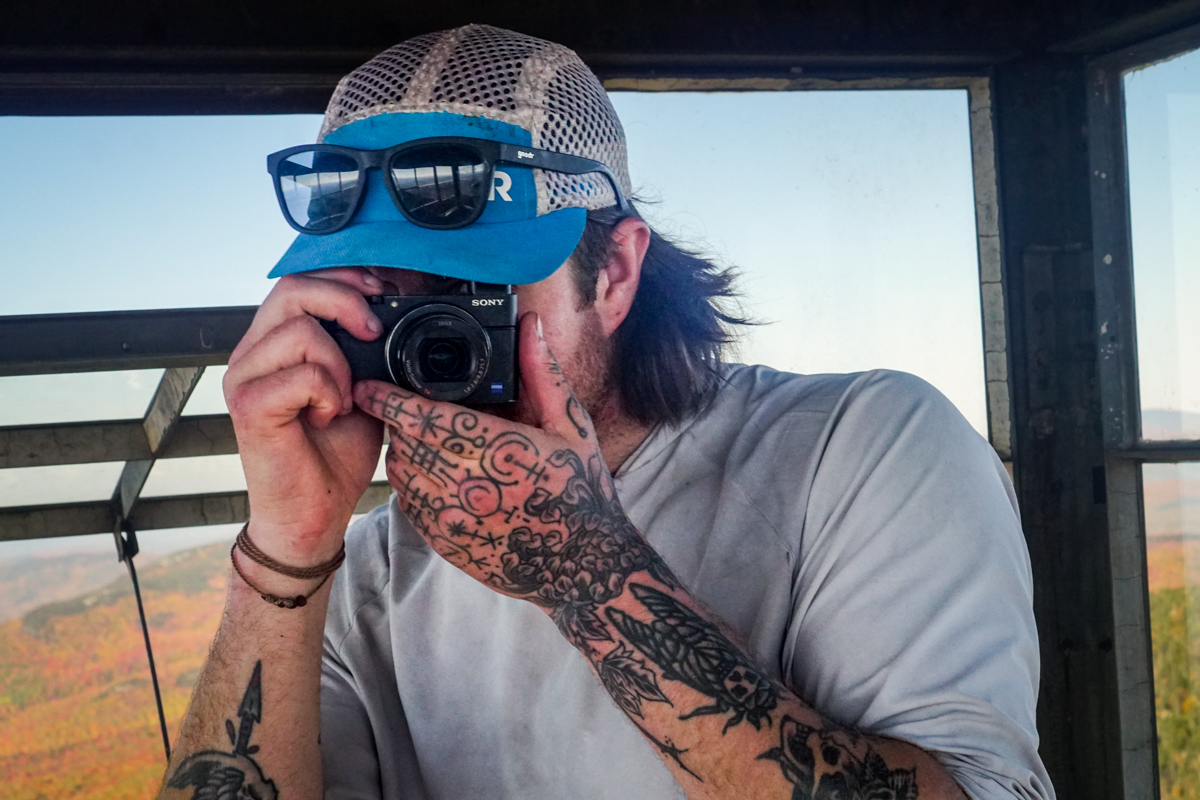
We took this camera on a summer hike through the Appalachian Trails. It not only captured some incredible photos but also, in conjunction with the Sony a6300, recorded hours of high-quality video for a hiking documentary. This camera lens folds and easily fits into a small waist bag or slim shoulder bag, and can be quickly retrieved when needed, making it superior to the a6000 series in terms of portability and ease of use. Even in bright light, the electronic viewfinder makes framing a breeze, and the real-time tracking autofocus is a joy to use. Despite its compact size, this lens boasts an extended ISO range of 64-25600 and an aperture of f/2.8-4.5, performing excellently in low light. The Zeiss lens delivers its signature smooth and delicate bokeh, but such a high-end lens also drives up its price – which we consider its biggest drawback. Other shortcomings of the RX100 include a frustrating menu layout (like other Sony cameras we’ve used), an overwhelming number of autofocus options, and a wish its aperture were larger. But given its impressive performance, these are minor flaws. If you’re willing to pay the price, it’s almost the perfect hiking and backpacking camera.
Best Action Cameras for Hiking
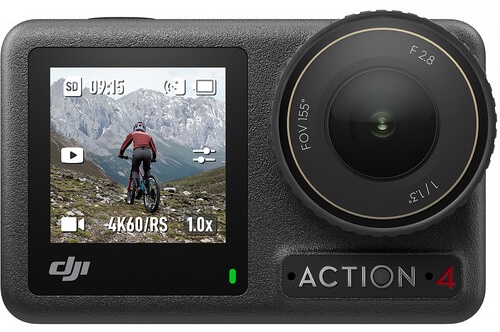
5. DJI Osmo Action 4 ($239)
Weight: 5.1 ounces.
Pixels: 10 megapixels.
Sensor: 1/1.3-inch CMOS.
Pros: Durable and waterproof; excellent video recording capabilities; stable footage; intuitive touch controls; long battery life; convenient video transfer; front and rear screens.
Cons: Average photo quality; difficult to adjust in wet conditions; better compatibility with iOS devices than Android devices.
Action cameras are typically used for high-intensity extreme sports, thrilling motocross, and skydiving—but do they have a place among hiking enthusiasts? While their specifications are designed to capture fast-paced, dynamic action, devices like the DJI Osmo Action 4 have earned a place among hikers thanks to their ruggedness, weather resistance, ease of use, long battery life, and excellent video recording capabilities. In terms of video shooting capabilities alone, few models on this list can shoot 10-bit 4K video at an astonishing 120 frames per second—and each camera capable of this costs well over $1,000. While this “GoPro-style” video may be a mixed bag for some, it is indeed a simple, lightweight, and affordable way to record your journey with stunning visual quality. So why didn’t GoPro win this award? While we appreciate the features of the GoPro Hero 13, we prefer certain aspects of the DJI Osmo Action 4.
While GoPro’s GP-Log and LUTs offer flexibility in color grading, we personally prefer the picture style and dynamic range of DJI’s D-Log M profile, as well as DJI’s color science and overall smoother shooting. Both cameras are excellent, but DJI has a slight edge in price and performance. That said, the Action’s photo capabilities are slightly less than the Hero’s, but sufficient for most hikers. Add to that a host of thoughtful features—including a durable, waterproof construction, magnetic quick-release, over 2.5 hours of continuous shooting time, low-temperature performance, underwater color correction, and 360° all-around image stabilization—and this $300 camera is the perfect choice for outdoor adventures. We recently took the Action 4 on a mountaineering and backpacking trip through the American West, using it as our primary lightweight camera to document a variety of adventures, resulting in unforgettable experiences. Its rugged construction and competitive specifications allow you to shoot stunning, professional-quality video on even the toughest adventures you can plan.
Best Full-Frame Mirrorless Cameras for Hiking
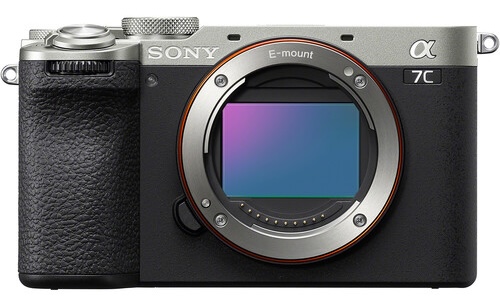
6. Sony a7C II ($2,500)
Weight: 1 lb 2.2 oz.
Pixels: 33 megapixels.
Sensor: 35mm full-frame Exmor R CMOS.
Pros: Lightweight and compact body with full-frame capabilities; rugged magnesium alloy body, dust and splash resistant; relatively good value.
Cons: Video performance is not the most competitive; only one SD card slot; lower pixel count compared to more expensive competitors.
Weighing only 0.8 oz less than our top pick, the a7C II packs a 35mm full-frame sensor, top-of-the-line features, and a wealth of creative capabilities into an incredibly compact and lightweight body. While its specifications aren’t as high as its earlier (and more expensive) full-frame sibling—Sony’s powerful a7 IV—the a7C II is an excellent choice for light travelers, hikers, and even backpackers looking to enhance their photography and video with full-frame content. As one of the lightest full-frame cameras, we believe its powerful photo and video capabilities, coupled with its rugged, dust- and splash-proof magnesium alloy body, make it the best full-frame camera for hiking and backpacking trips. While you can opt for the more expensive model in the same series—the a7CR—the a7C II’s powerful features and affordable price make it ideal for most hikers. 33 megapixels are sufficient for most photographers, and its autofocus is widely considered top-notch in the industry. If that’s still not enough for your needs, the a7CR boasts a 61-megapixel sensor (along with many other noteworthy upgrades), but at a significantly higher price.
For photographers, this camera is a dream come true, but videographers might be disappointed with some of its specifications. The a7C II can only shoot full-frame 4K 10-bit video at 30fps, while 10-bit 60fps video is cropped to Super 35 format (APS-C crop, i.e., 1.5x). While many, including myself, prefer shooting video in Super 35 format, this might be a disappointment for users looking for more powerful full-frame capabilities. The a7 IV has similar specifications, but the a6700’s ability to shoot 4K video at up to 120fps (despite being APS-C) is truly impressive. However, the a7C II is more than sufficient for most users working on personal projects. Its extended ISO range of 50-204800 for photos (50-102400 for video) allows for excellent low-light performance, far surpassing top-tier models like the a6700. We also appreciate its support for Sony’s gentle S-Cinetone (and several others) image profiles. Overall, the a7C II is a compact full-frame camera at a very affordable price. While the a7CR is similar in weight, it may be too expensive for most backpackers, while its “little brother,” the a7C II, can meet everyday shooting needs at a more affordable price.

Compact Body, Full-Frame Performance
Panasonic Lumix S9 ($1400)
Weight: 1 lb 1.1 oz.
Pixels: 24.2MP
Sensor: 35mm full-frame CMOS.
Pros: Excellent performance-to-weight ratio; compact body; excellent video specifications; vibrant colors; excellent shooting stabilization.
Cons: Expensive; lower resolution than other full-frame models; less comfortable to hold; no electronic viewfinder, headphone jack, or hot shoe.
Want a full-frame camera that fits in your pocket? The Panasonic Lumix S9 is the closest you can get. This compact and powerful camera weighs just over a pound, yet boasts a 24.2MP full-frame CMOS sensor, making it ideal for hikers and backpackers who want to take professional-quality photos without carrying a bulky camera. It’s one of the smallest full-frame mirrorless cameras we’ve ever encountered, but don’t be fooled by its small size—its performance is impressive. We recently took this ultralight camera on a hike along the Appalachian Trail in Georgia and reaped stunning results and fantastic content. What impressed us most was its video performance: 6K 30p and 4K 60p 10-bit video recording, 5-axis sensor-shift image stabilization for smooth handheld shooting, and a flip-out LCD touchscreen for easy adjustments. We also loved Panasonic’s Real-Time LUT feature, which allows you to apply custom or signature color presets directly in the camera—a dream feature for creators looking to quickly produce social media content. All in all, this is one of the most exciting ultralight cameras we’ve seen, perfect for professional photography/videography work in the wild. The wide range of color options also adds a retro touch—our favorite, the red one, is one of our favorite street photography cameras.
That said, the S9 isn’t without its flaws. To achieve such a lightweight and compact design, the manufacturer made some noticeable compromises. The lack of an electronic viewfinder, headphone jack, and hot shoe might be a fatal flaw for some users. Furthermore, while the rear screen is suitable for vlogging, it’s difficult to see in direct sunlight, which is unavoidable in most backpacking trips. Its resolution is also inferior to other full-frame competitors (such as the a7C II with its 33-megapixel full-frame sensor), and its minimalist grip design makes it feel slightly bulky. We weren’t entirely satisfied with its autofocus tracking performance, and its rolling shutter performance was also mediocre. However, if you’re willing to accept these shortcomings, the Lumix S9 offers an excellent performance-to-weight ratio and top-notch video specifications for such a small and lightweight device. For creators who frequently shoot outdoors but don’t want to lug around a bulky DSLR, this is undoubtedly one of the most attractive options.
Ultra-lightweight body, yet boasts an amazing zoom range.
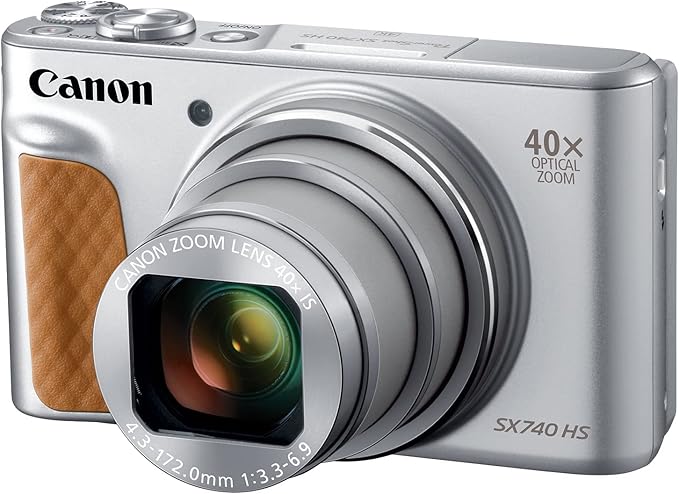
Canon PowerShot SX740 HS ($798)
Weight: 9.7 ounces.
Pixels: 20.3 megapixels.
Sensor: 1/2.3-inch CMOS.
Pros: Affordable; lightweight and portable; excellent color reproduction; impressive 40x optical zoom range.
Cons: Aperture range isn’t our favorite; ISO sensitivity isn’t optimal; no touchscreen or electronic viewfinder; cannot shoot RAW format photos; image quality drops at the telephoto end.
A quick glance at our list of winners makes one obvious fact clear: we have a soft spot for Sony cameras, especially for outdoor shooting. In many ways, we believe Sony cameras offer superior versatility and performance compared to similar products from other manufacturers, but that doesn’t mean other strong brands aren’t worth considering. Canon is a popular brand among hikers and backpackers, and many of our authors’ hiking friends use Canon cameras to capture their adventures. The Canon PowerShot SX740 HS is the entry-level model in the PowerShot series, while the PowerShot G7 X Mark III is the high-performance option in its point-and-shoot camera lineup. The SX740’s biggest highlight is its powerful zoom capability. It boasts an impressive 40x optical zoom range (equivalent to 24-960mm on a 35mm film camera), far exceeding any other point-and-shoot camera we’ve tested. Accompanying the zoom is 5-axis optical image stabilization, which effectively maintains image sharpness at telephoto ends.
Despite image stabilization and high resolution, as expected, the image quality at the telephoto end is slightly blurry due to the lens’s small size. Don’t expect it to produce photos like a true telephoto lens. However, it’s a decent choice for rough shots of distant wildlife or landscapes while hiking. To make matters worse, its limited ISO sensitivity (extended: 100-3200), slow aperture range of f/3.3-6.9, and lack of RAW format shooting support all contribute to its shortcomings in low-light conditions and telephoto shooting. Upgrading to the popular G7 X Mark III improves some of these issues—it boasts higher ISO sensitivity and a wider aperture of f/1.8-2.8 (although the zoom range is reduced to 24-100mm). The SX740’s video capabilities aren’t outstanding, but they’re sufficient for everyday shooting needs, supporting 4K video recording at up to 30fps and 1080p video recording at up to 60fps. Overall, this compact point-and-shoot camera produces excellent photos at the wide-angle end, has excellent zoom capabilities, is a well-rounded model, and can shoot high-quality video footage with minimal weight.
Top-Tier Image Quality and Performance
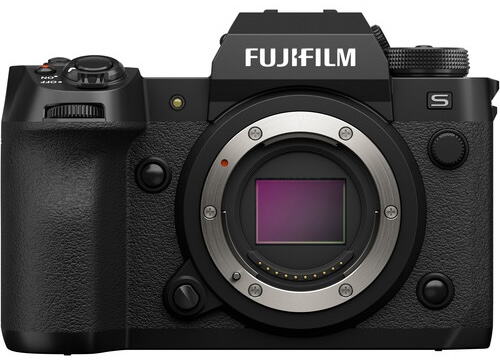
11. Fujifilm X-H2S ($2,900)
Weight: 1 lb 8 oz.
Pixels: 26.2 megapixels.
Sensor: 23.5 x 15.6 mm (APS-C) CMOS.
Pros: Excellent color reproduction in JPEG and RAW formats, extremely fast continuous shooting, excellent video performance, excellent dust and splash resistance, accurate autofocus, a reliable hybrid video/photo camera.
Cons: Relatively heavy and bulky body; mediocre low-light performance; high price for an APS-C camera; touchscreen is sometimes unresponsive.
This camera is a top performer in the APS-C camera market. Fujifilm film has always been a favorite among photographers, and models like the X-H2S add professional-grade video shooting capabilities to an already excellent camera design. Despite its hefty 1 pound 8 ounces weight (the heaviest on our list), the X-H2S packs a powerful punch and professional features that might justify its weight for the right adventurer. We recently used the X-H2S alongside a Sony FX3 on a backpacking expedition in Nepal. We trekked over 80 miles, climbed a 6,000-meter peak, and thoroughly tested it, ultimately being extremely impressed with its performance. While not ideal for ultralight gear, it excels in a variety of conditions, even at high altitudes, outperforming its competitors. This camera excels at high-speed action shooting, capturing still images at up to 40fps and recording full-frame 10-bit 6.2K (up to 30fps) or 4K (up to 120fps) video. Some of its most impressive video and photo shooting features are listed here.
We particularly appreciate the camera’s rich photo and video color profiles, especially its popular Eterna film simulator. This simulator can produce images with flat colors and low saturation, providing great flexibility for post-processing color grading. Its AI subject detection autofocus is fast and reliable, and the sensor’s high-speed readout of up to 120fps allows for frequent autofocus updates, ensuring accurate focus. So, what are its drawbacks? As one of the highest-spec APS-C cameras currently on the market, its high price makes it inaccessible to many backpackers; for an APS-C camera, the price is excessive. Furthermore, it is heavier and more bulky than most similar products, making it less suitable for light backpacking trips. Another drawback is its mediocre low-light performance, with an ISO range of only 80-51200 for photos and 160-25600 for video. Finally, the touchscreen can sometimes be unresponsive. In other words, if your budget allows, this is definitely one of the highest-performing APS-C cameras, capable of producing some of the best video footage we’ve ever seen.
Interchangeable lens, lightweight body
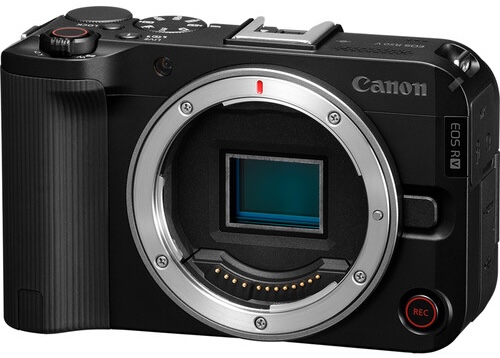
12. Canon EOS R50 V ($719)
Weight: 13.0 ounces.
Pixels: 24.2 megapixels.
Sensor: APS-C CMOS.
Pros: Excellent video shooting capabilities; lightweight and portable; excellent autofocus and subject tracking; ergonomic and smooth grip; portrait mounting available; affordable price.
Cons: Severe cropping in 4K 60fps video; mediocre digital image stabilization; poor rolling shutter control; button layout not our favorite; no electronic viewfinder.
This is a compact yet powerful camera. Weighing only 13 ounces (approximately 370 grams), the EOS R50 V boasts a sleek and compact body and promises to be one of our favorite APS-C cameras, competing with top-of-the-line models like the Sony a6700, making it an excellent choice for hiking. Lighter and more affordable than high-end models like the Sony a6700, it still boasts powerful features. We recently took it on a backpacking trip along the Haute Route in Switzerland, and its image quality was stunning. This camera features a 24.2-megapixel APS-C sensor, a Canon DIGIC X image processor, and can shoot 4K video at up to 60p (cropped) and 30p (full-width). It also offers a range of creative video tools, such as slow-motion and fast-motion modes, Canon Log 3, false color, and more. Autofocus is another highlight; Canon’s excellent Dual Pixel CMOS AF II system tracks subjects like people, animals, and vehicles. Its smooth operation impressed us. Furthermore, it features intuitive and easy-to-use functions such as a front-facing record button, a vertical tripod mount, and color filters, making it ideal for ultralight hikers, vloggers, and entry-level filmmakers.
However, the lightweight body and affordable price also come with some compromises. While it supports 4K 60p video recording, the severe cropping limits its practicality. We also found its digital image stabilization to be slightly inferior to some competitors, and the rolling shutter was unsatisfactory during fast panning or handheld shooting (especially in 4K 24p or 30p modes). Ergonomically, we genuinely like the camera’s grip (as die-hard Sony fans, we find it hard to admit), but its button layout is less than ideal. We wish there were two control dials on the top of the body, allowing us to adjust shutter speed or aperture with our index fingers. However, currently, you have to operate both dials simultaneously with your thumb, which slows down the pursuit of perfect exposure (often a race against time on a fast-paced journey). The layout of the main dial also takes some getting used to (of course, we are loyal Sony fans after all). This, coupled with the lack of an electronic viewfinder (a clear advantage of the a6700), makes the EOS R50 V more suitable for occasional snapshots than professional still photography. Its photo quality is good, but if you’re looking for a camera that excels in both photo and video shooting, we recommend opting for a more traditional hybrid camera, which makes fewer compromises in vlogging. However, if you can accept these limitations, especially if video shooting is your primary goal, the R50 V is a perfect camera for outdoor photographers and videographers looking for powerful features in a compact, easy-to-use body—and it’s affordable and effortless to use.