From tents and rucksacks to footwear and rainwear, here is an in-depth analysis of the backpacking market in 20
From short overnight trips to multi-day treks deep into the wilderness, every backpacker wants the right kit. The following covers all the gear you’ll need for your backpacking adventures, including detailed round-ups, reviews and informative articles covering everything from tents and rucksacks to footwear and clothing. Our recommendations are based on years of backpacking experience, ranging from affordable entry-level products to some of the top-of-the-range ultralight gear available on the market. For shorter day hikes, please refer to our hiking gear reviews.
The Best Ultra-Light Backpacks
From light-packing overnight trips to long-distance treks, we’ve rounded up the best ultra-light backpacks of the year.
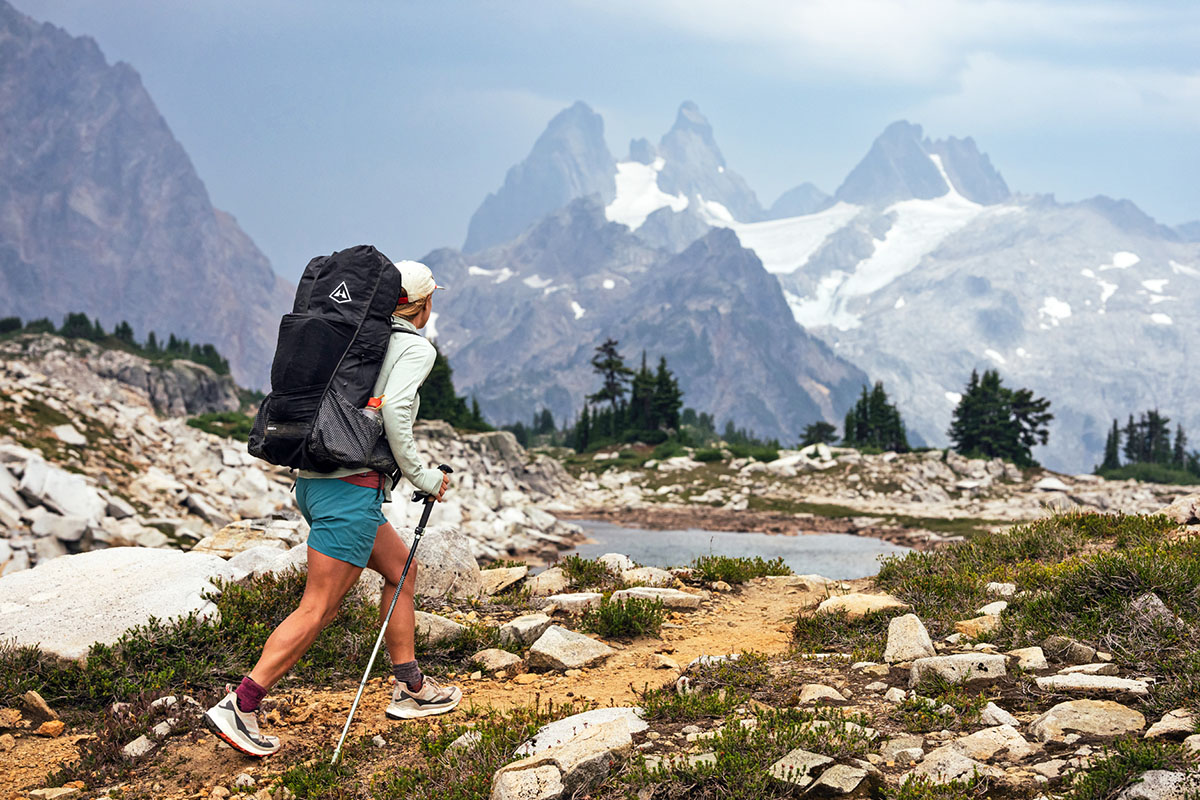
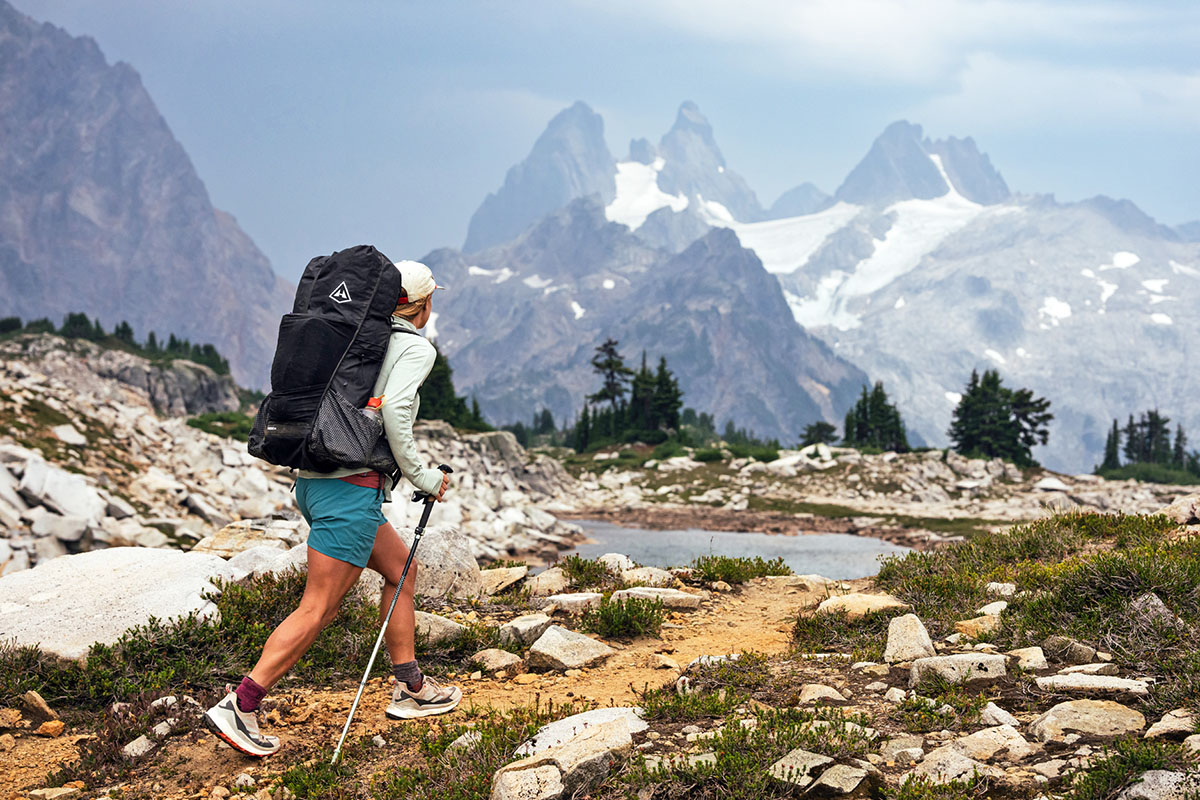
Ultra-light (UL) gear was once a niche pursuit in backpacking, but it is now gaining increasing popularity among outdoor enthusiasts who wish to travel further and faster with a lighter load. Today, there is a vast array of tents, sleeping bags, cookware and jackets to choose from, but perhaps the most important piece of kit is the rucksack that allows you to carry everything comfortably. The design philosophy behind ultralight rucksacks is to prioritise lightness whilst balancing comfort, durability, breathability and storage capacity. From backpacking in Patagonia to multi-month treks across the United States, we have tested countless rucksacks over considerable distances and have ultimately selected 17 models worthy of recommendation. These backpacks range from all-rounders by brands such as Osprey and Gregory to lightweight, customisable options from top niche brands. For further details, please refer to our comparison table and buying guide, as well as our detailed explanation of the testing process.
1. Hyperlite Mountain Gear Southwest 55 ($399)
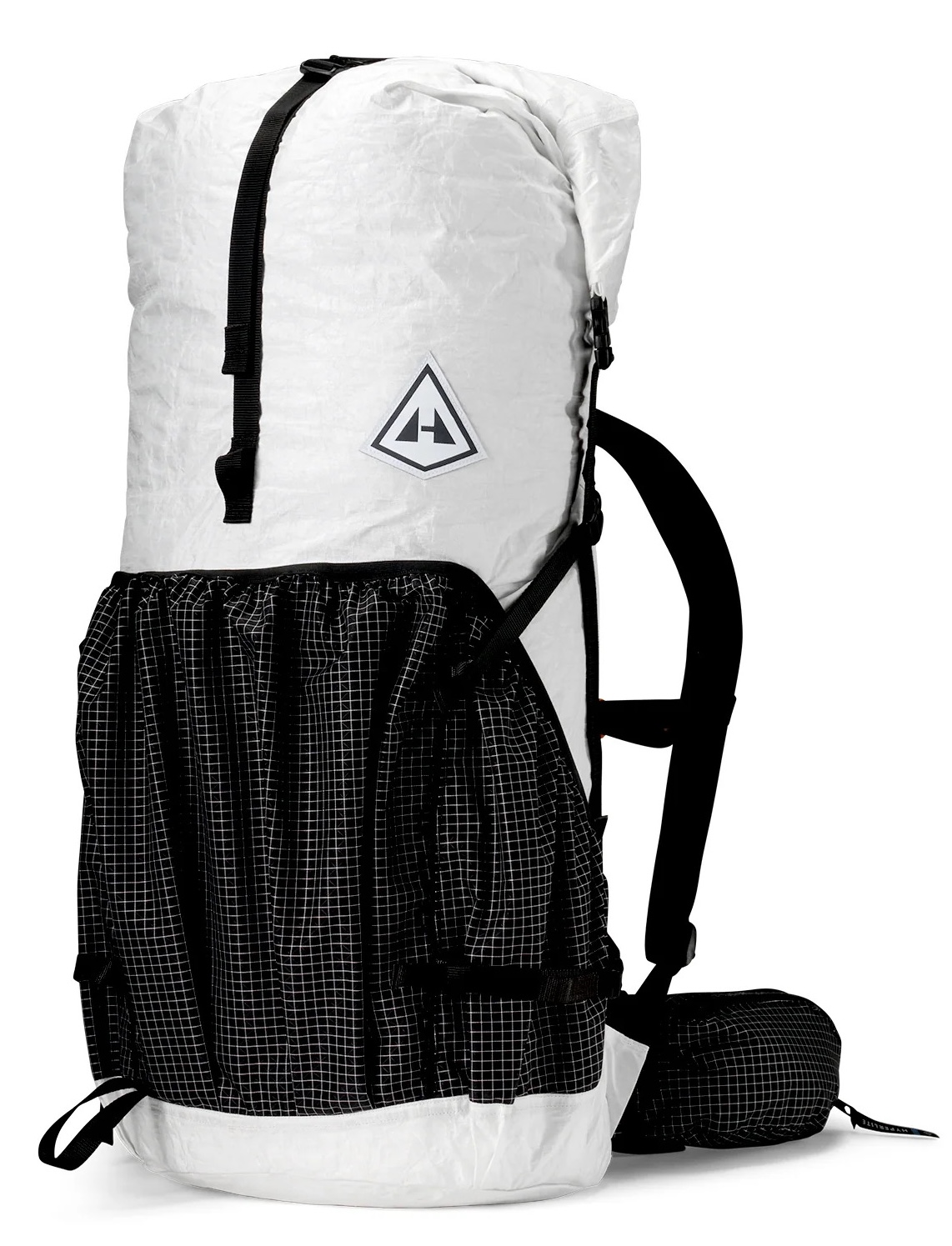
HMG Southwest 55 Weight: 1 lb 13.7 oz.
Fabric: Dyneema 3.9 woven composite.
Capacity: 40 litres, 55 litres, 70 litres.
Pros: Lightweight and durable, excellent water resistance, fits everything you need.
Cons: Expensive; limited internal storage and poor ventilation.
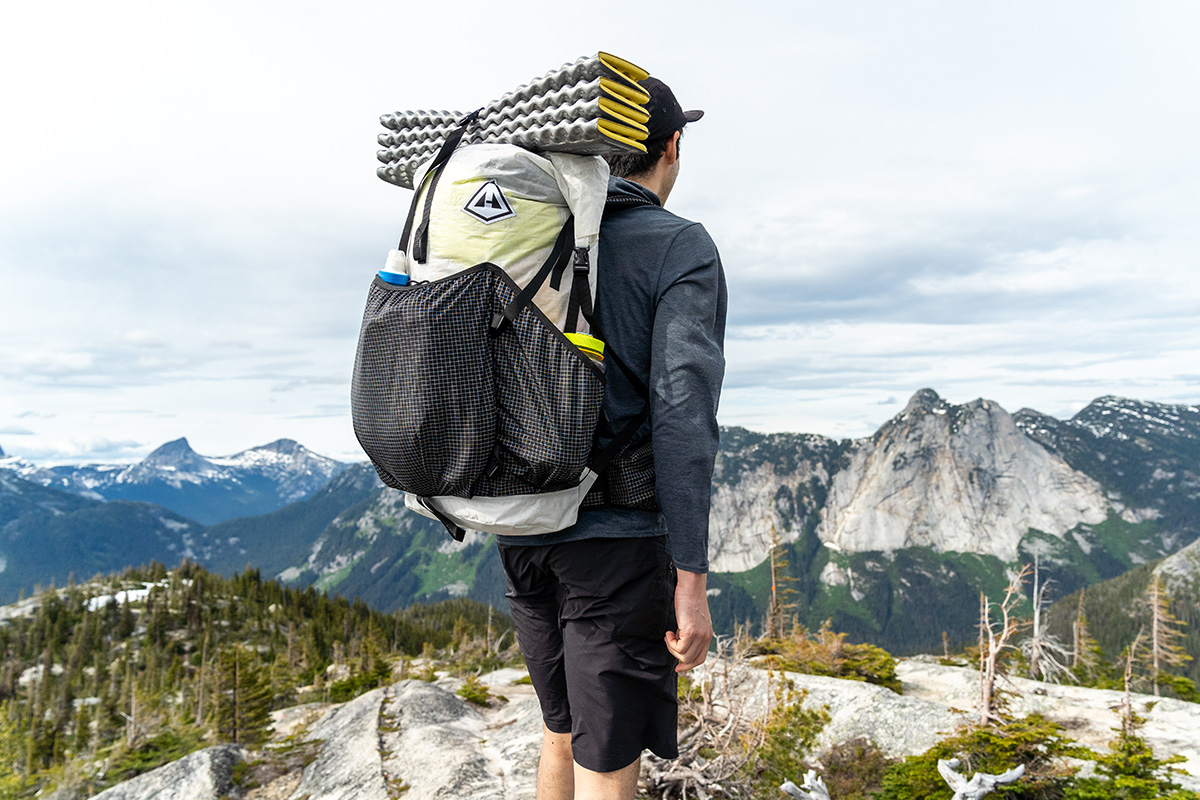
The Hyperlite Mountain Gear Southwest 55 is undoubtedly one of the finest ultra-light rucksacks on the market, suitable for a wide range of hiking styles. Whether you’re tackling a long-distance trek on the Pacific Crest Trail (PCT), heading out for a weekend light hike, or embarking on a trail run, it’s up to the task. Dyneema fabric is at the heart of this rucksack: this robust material is renowned for its remarkable strength-to-weight ratio and tear resistance, and is completely waterproof. Consequently, weighing in at under 2 pounds, the Southwest 55 is not only one of the lightest rucksacks here, but also exceptionally durable – a rarity among ultralight rucksacks. More importantly, with its removable aluminium support bars, foam back panel and wide, comfortable hip belt, it can carry loads of up to 40 pounds (whereas many other rucksacks have a load capacity of just 30 to 35 pounds).
Hyperlite’s Southwest rucksack is our top recommendation for long-distance hikers, but it may be a bit overkill for casual backpackers. The 55-litre Southwest retails at $399, which is almost double the price of rucksacks such as the REI Flash (see below). Furthermore, its storage capacity is quite minimal, and the lidless design may feel unfamiliar to those accustomed to traditional rucksacks. Finally, the Dyneema back panel can get quite stuffy: if you mainly hike in hot climates or tend to run warm, you’ll need better breathability. However, the Southwest excels in terms of lightness, durability and carrying comfort – precisely what many seek in an ultralight rucksack (and for long-distance hikers who trek regardless of the weather, its waterproofing is a major advantage). You might also want to consider Hyperlite’s Windrider and Junction, or the relatively new Unbound 40 mentioned below.
The best value for money ultra-light rucksack
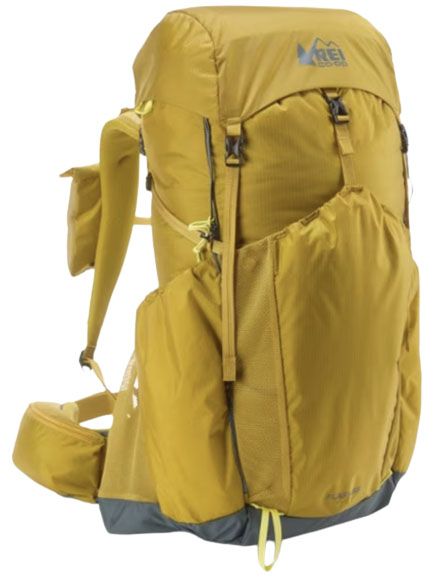
2. REI Co-op Flash 55 ($199)
REI Co-op Flash 55 ultra-light rucksack weight: 2 lbs 13 oz.
Fabric: Nylon (100D and 210D).
Capacity: 55 litres.
Pros: Excellent value for money; highly customisable features and fit.
Cons: The lightweight nylon shell lacks durability; ventilation is average.
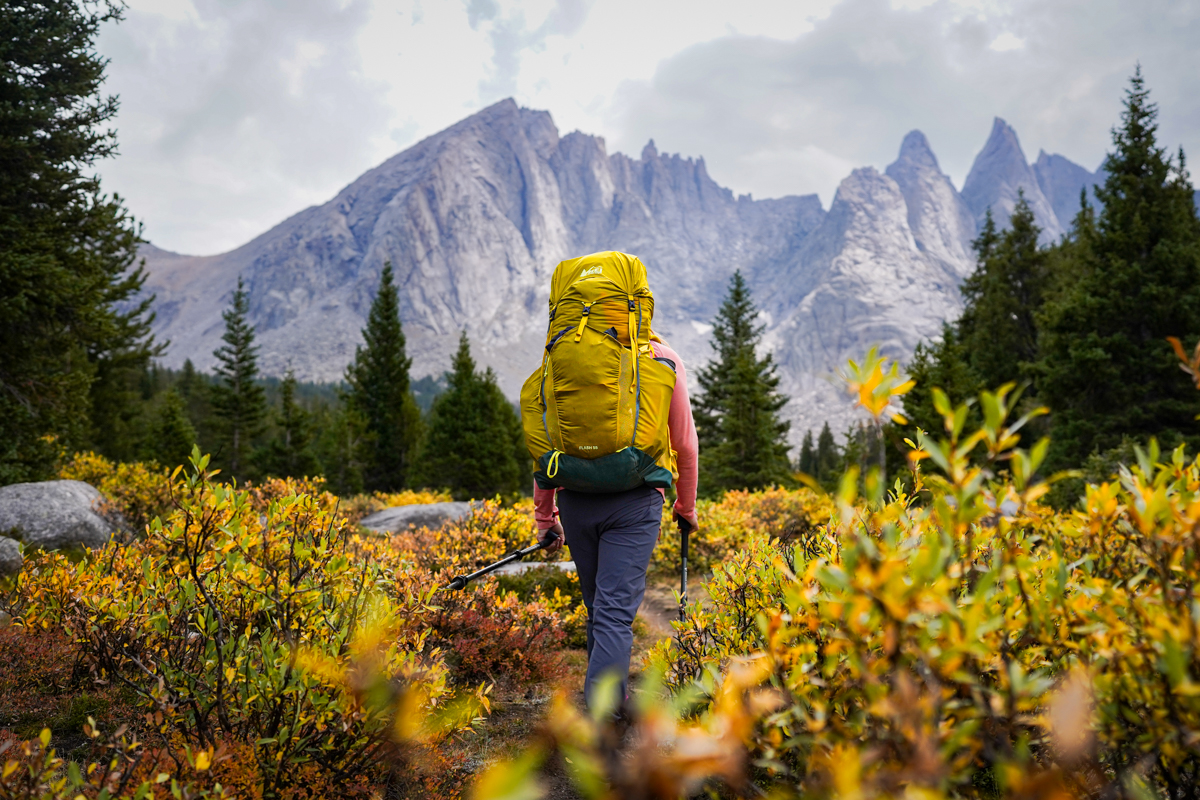
REI Co-op’s own-brand gear is renowned for its value for money, and the $199 Flash 55 rucksack is no exception. Designed to meet the growing demand for ultra-light hiking, this rucksack weighs just 2 lbs 13 oz (approx. 1.9 kg), making it a well-rounded choice for consumers seeking an entry-level rucksack. REI claims the Flash can carry loads of up to 30 lbs (approx. 13.6 kg), and its integrated steel frame, padded mesh back panel and hip belt, along with adjustable back length, ensure excellent carrying comfort. Most importantly, we really like the Flash’s versatility: the top lid, hip belt, compression straps, and hip and shoulder strap pockets are all removable, meaning you can tailor the rucksack to your hiking style and packing needs (removing all these components reduces the weight by 7 ounces, approximately 200 grams). We’ve had the opportunity to test the Flash extensively around the world—most recently on a backpacking trip through the rugged Wind River Mountains in Wyoming—and we were impressed by its balance of comfort, weight and durability.
Given its high level of customisation, the Flash 55 may be more appealing in the ultralight backpack market than the more traditional Osprey rucksacks mentioned below, particularly for users who prioritise storage space. And it’s likely to fit your build: in addition to an adjustable back length, this rucksack comes in four sizes: Small, Medium, Large, and a Large back length/Small hip belt combination. That said, its affordable price comes with some compromises: the fabric is relatively thin, with the main body made from just 100-denier (D) nylon and the base from 210D nylon, and the padded back panel isn’t as breathable as a suspended mesh design. Furthermore, weighing in at nearly 3 pounds, the Flash 55 certainly won’t satisfy users who are particularly weight-conscious. We also have some reservations about the detachable shoulder pouch: it tends to snag or come loose whilst wearing the rucksack, and it barely fits our iPhone 13 Pro with its protective case. We would also have liked to see an additional access opening for the main compartment, a pocket beneath the top flap, and a drawcord at the roll-top closure. However, at just $199, this ultra-lightweight rucksack from REI offers surprisingly good carrying capacity and represents excellent value for money for hikers interested in ultra-light gear who wish to opt for a trusted brand.
Best ultra-light rucksack, with customisable fit
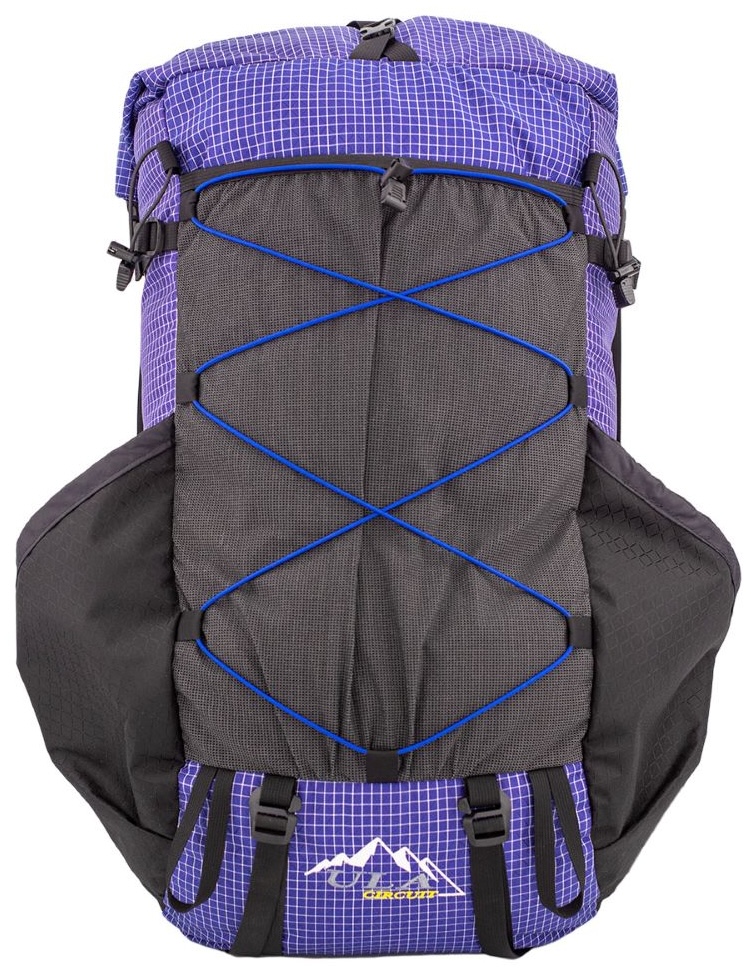
3. ULA Gear Circuit ($300)
ULA Gear Circuit UL rucksack weight: 2 lbs 5.3 oz.
Fabric: Robic nylon (400D) and X-Pac laminate.
Capacity: 68 litres.
Pros: Highly customisable fit; comfortable to carry and durable.
Cons: Not as lightweight or durable as the Southwest series.
If you take a walk along any of the major hiking trails in the US (such as the Pacific Crest Trail or the Appalachian Trail), you’re likely to spot plenty of rucksacks from the popular niche brand ULA Equipment. The Circuit featured here is their most versatile design: it follows the standard ultralight rucksack design, with a roll-top main compartment, three large utility pockets, and a pocket on each side of the hip belt. But what sets the Circuit apart is its extensive range of sizes and customisable fit: when ordering via the ULA website, you can easily customise the hip belt (six sizes from XS to XXL), back length (four sizes from S to XL) and shoulder strap style (J-shaped or S-shaped straps). ULA also provides a practical measurement guide and instructional videos to help you take your measurements and select the right size. If you’ve long struggled to find a backpack that fits properly, the Circuit might just revolutionise your options.
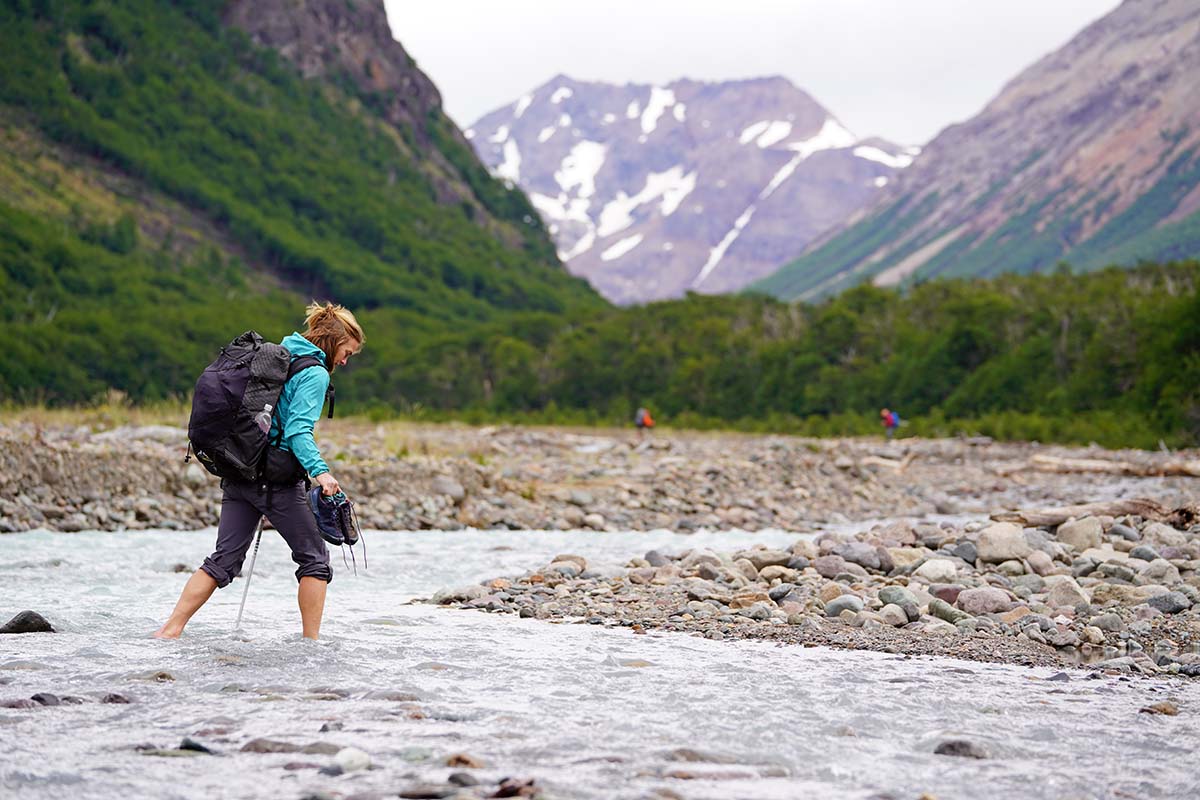
The Circuit’s merits extend far beyond its customisable fit. Thanks to an aluminium alloy frame that flexes to contour to the back, perimeter support rings and rigid foam padding, this lightweight rucksack offers impressive carrying comfort. During a hike in Chile’s Patagonia National Park, the Circuit backpack comfortably carried a 30-pound load (ULA’s official maximum load capacity is 35 pounds), which left a lasting impression on us. Throughout the four-day trek, we experienced no pressure points or chafing. Although the Circuit is not as lightweight as the Dyneema Southwest backpack mentioned above, its 400D Robic nylon and X-Pac laminate are extremely durable and water-resistant – we’ve heard of many hikers completing multiple long treks with the same ULA backpack, which speaks volumes about its durability (ULA’s Ultra Circuit backpack is even more durable). All in all, at $300, the Circuit offers excellent value for money and is our top recommendation for hikers seeking a perfect fit.
A superb combination of support and breathability
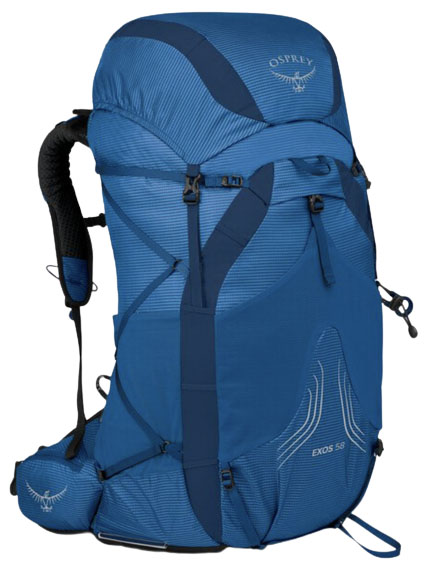
4. Osprey Exos 58 ($280)
Osprey Exos 58 (ultralight rucksack) Weight: 2 lbs 13.4 oz.
Fabric: Nylon (100D and 400D).
Capacity: 38 litres, 48 litres, 58 litres.
Pros: Excellent breathability; ideal for those transitioning from traditional backpacking to ultralight backpacking.
Cons: Relatively heavy; limited customisation options.
Osprey typically focuses on creating comfort-first, feature-packed rucksacks for traditional backpackers, but the Exos (and its women’s counterpart, the Eja) has found success in the ultralight rucksack market. At first glance, the Exos looks no different from a standard rucksack, featuring a fold-down lid, a padded hipbelt and shoulder straps, and plenty of storage pockets. More importantly—as with many of Osprey’s heavier models—it features a suspended mesh back panel that keeps the rucksack away from the body, providing far superior breathability to comparable ultralight rucksacks. The latest Exos 58 also includes an adjustable back length, which is extremely helpful for achieving a proper fit (a feature lacking in most ultralight rucksacks).
We have been using Exos rucksacks for several years and have been thoroughly impressed by their comfort, breathability and convenient storage features. It became our kit of choice during a summer trek along the Lake Tahoe Loop Trail, and throughout the long journey we couldn’t stop praising its excellent breathability and weight distribution. Overall, this rucksack appears to retain all the essential elements of a traditional design without any superfluous additions. However, the Osprey Exos is not suitable for all ultralight enthusiasts: the men’s medium size weighs 2 lbs 13.4 oz (approx. 1.1 kg), which is relatively heavy, and with few removable components, it is difficult to reduce the weight further. But for weekend hikers, those aspiring to become ultralight enthusiasts, or long-distance trekkers who prioritise breathability and comfort, the Exos’s balanced design is virtually flawless. Furthermore, the Exos Pro 55 (priced at $320) is also worth a look; whilst it makes some compromises to reduce weight, it remains another high-quality offering from Osprey.

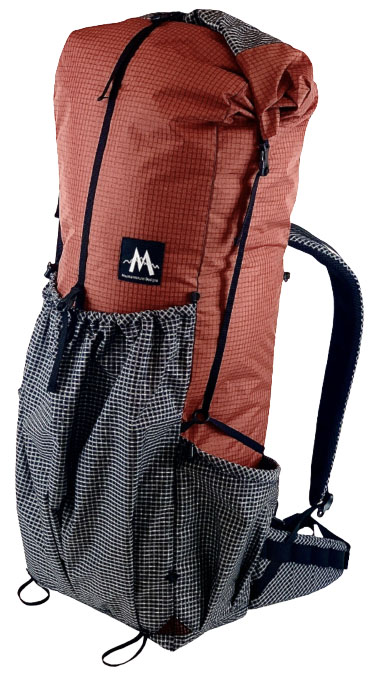
Best frameless ultralight rucksack
5. Mountain Laurel Designs Exodus 55L ($245–$325)
Mountain Laurel Designs Exodus 55L frameless ultralight rucksack weight: 1 lb 2 oz.
Fabric: Ultra X (3.85 and 3.26 oz/yd²) / Nylon (210D).
Capacity: 38L, 48L, 55L.
Pros: A lightweight and durable frameless rucksack, suitable for the most discerning ultralight hikers.
Cons: Not suitable for heavy loads.
Most ultralight enthusiasts opt for a framed rucksack capable of carrying a load of around 35 lbs (approx. 16 kg), which is an ideal combination for long-distance treks and mainstream ultralight setups (e.g., with a base weight of around 12–15 lbs (approx. 5.4–7 kg)). That said, there is another category of ultra-light rucksacks on the market designed specifically for experienced hikers seeking an even lighter load (for example, with a base weight in the 6–7 lb (approx. 2.7–3.2 kg) range), such as this Mountain Laurel Designs (MLD) Exodus 55L. MLD claims the Exodus is the lightest full-featured rucksack on the market. It features a frameless design, eliminating the support rods, outer rings and rigid frame panels commonly found in most rucksacks, thereby significantly reducing weight and bulk (the Exodus weighs just 1 lb 2 oz, approx. 0.09 kg) and allowing it to mould better to your body shape and adapt to different load sizes. As frameless rucksacks generally offer poorer overall comfort and support, we do not recommend them for most people; however, for ultralight hikers who have stripped down their gear, frameless rucksacks are a popular niche product.
Like many niche-brand rucksacks, the Exodus is meticulously crafted in terms of fabric, offering a choice between Ultra X (also known as Dyneema) and ripstop nylon. Whichever you choose, this rucksack is built to last. It excels in other areas too, from load-bearing features (sturdy S-shaped shoulder straps, a padded hip belt and multiple compression straps to stabilise the load) to storage design (including an oversized main compartment with a roll-top closure, external utility pockets, and optional shoulder and hip pouches), all of which demonstrate its superb craftsmanship. In short, the Exodus offers all the practical features you need to cover ground quickly on your hikes, cleverly accommodating everything from a few items to a week’s worth of food and gear. Although it comes in only three sizes and offers limited adjustment options—meaning it may not suit everyone—the core of this rucksack lies in its lightweight design: for hikers who prioritise speed and value lightness, it is currently one of the most popular frameless rucksacks available. If you require a smaller capacity, please consider the MLD Prophet 48L and Burn 38L.
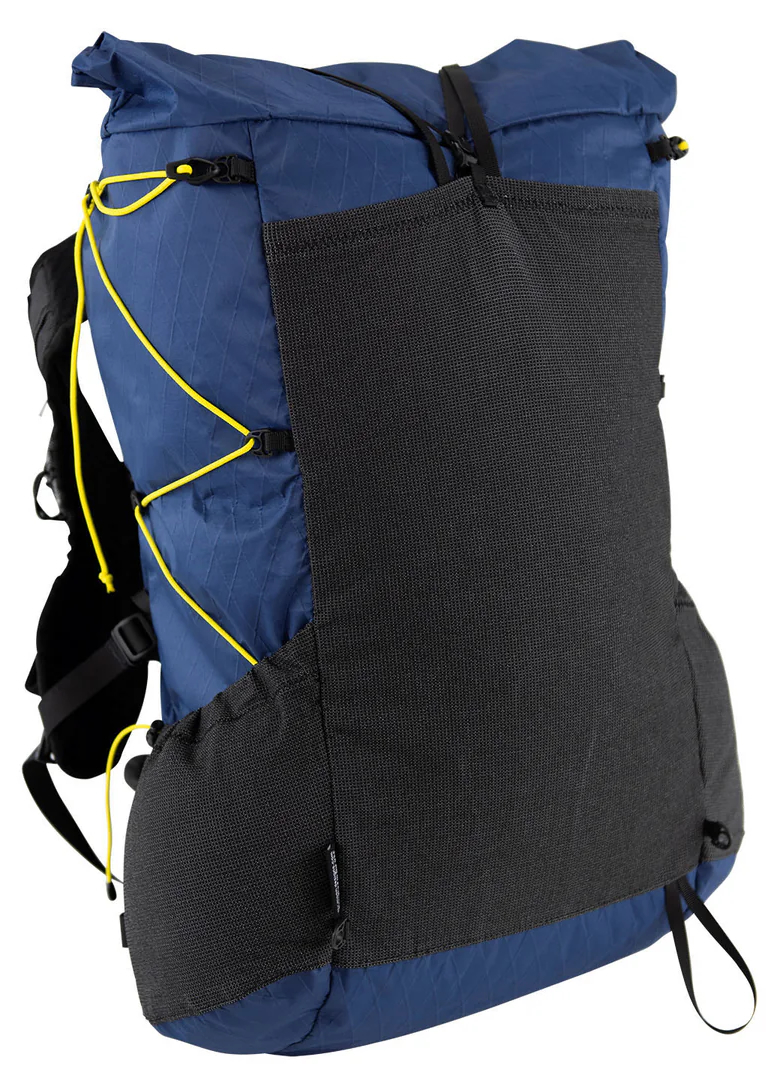
8. Six Moon Designs Swift X (US$350–375)
Six Moon Designs Swift X UL rucksack weight: 2 lbs 0 oz.
Fabric: LS07 and VX07 laminated fabric.
Capacity: 49 litres.
Pros: Highly customisable design, ideal for travelling light.
Cons: Too small in capacity and too complex in functionality for beginners.
If you’re seeking a classic ultralight experience, the Six Moon Designs Swift X rucksack is undoubtedly the perfect choice. This rucksack offers a wealth of customisation options, including two different fabrics, standard shoulder straps or vest-style shoulder straps, frameless or framed configurations, and hip belts in various sizes, amongst others. Depending on the configuration, this rucksack weighs between 1 lb 10 oz and just over 2 lb, making it suitable for everything from fast-paced light hikes to week-long treks (as with most rucksacks, the Swift X has a maximum load capacity of 35 lb when fitted with a suspension frame).
Whether you choose a framed or frameless backpack depends largely on the weight of your other gear. Six Moon Designs recommends a base weight of 8 pounds (approx. 3.6 kg) when using the frameless Swift X, whilst the base weight increases to 12 pounds (approx. 5.4 kg) when using the suspension system. We prefer to use framed rucksacks on most hikes, but on occasions when our load is very light, the extra rigidity can feel cumbersome and unnecessary. With a rucksack like the Swift X, you have the flexibility to choose between both configurations (the 49-litre capacity is ample for both needs), whereas rucksacks such as those from Zpacks (see below) and Osprey and Gregory (see above) come fitted with non-removable fixed frames. We wouldn’t recommend Six Moon Designs for those just starting out with ultralight backpacking, but if you’ve already got your other gear sorted and enjoy configuring your rucksack to suit your current adventure, this high-quality rucksack from a trusted brand is definitely the ideal choice for you.
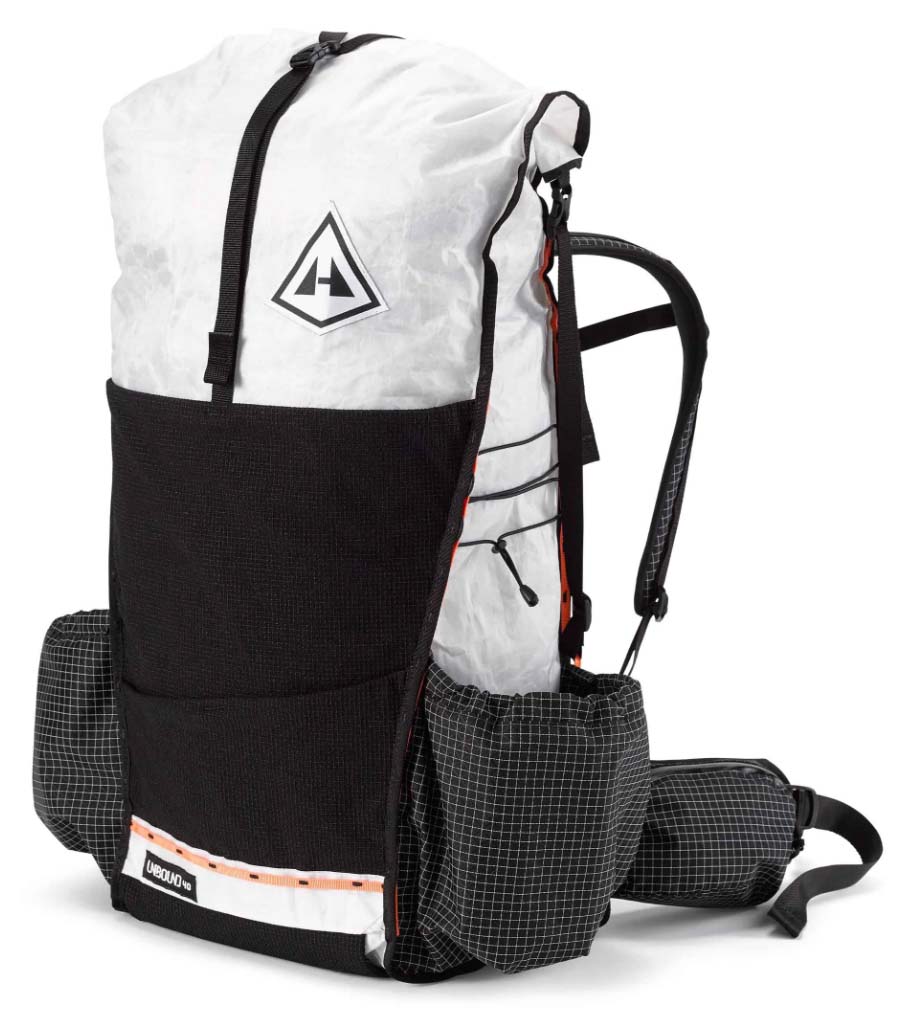
. Hyperlite Mountain Gear Unbound 40 (US$369–389)
Hyperlite Mountain Gear Unbound 40 ultra-light rucksack weight: 1 lb 14.2 oz.
Fabric: Dyneema (50D and 150D).
Capacity: 40 litres, 55 litres.
Pros: A rucksack designed specifically for seasoned long-distance hikers.
Cons: The internal capacity is only 40 litres, so you’ll need a very well-curated set of ultralight gear.
This year, Hyperlite Mountain Gear’s Southwest 55 rucksack took the top spot, but we mustn’t overlook their Unbound 40 rucksack. This pack offers a lightweight 49-litre capacity (40 litres internal, 9 litres external) and is designed for hikers tackling long-distance trails such as the PCT, AT or CDT. Like the Southwest, the Unbound features durable, water-resistant Dyneema fabric, providing reliable protection in wet weather or under heavy use. In comparison, the Unbound features larger side pockets, with Dyneema stretch mesh pockets on both the front and base, whilst reducing weight through streamlined 5/8-inch webbing and a single lightweight aluminium support rod (most Hyperlite rucksacks use two). Furthermore, the Unbound features several upgrades, such as external seam taping (which keeps the interior cleaner and enhances waterproofing) and a V-shaped drawcord system that allows the waistband to be tightened at both the top and bottom, resulting in a more snug fit.
If you’re considering the Unbound over the Southwest 55, there are a few points to bear in mind. The 40-litre Unbound version will suffice when using lightweight gear such as the Hyperlite Unbound sleeping bag and trekking pole tent, but the space feels a bit cramped for long-distance trips or more mainstream ultralight gear (fortunately, Hyperlite also offers a 55-litre version). Secondly, we found the Unbound to be less durable than the Southwest: its stretch mesh pockets aren’t as hard-wearing as the Southwest’s Hardline pockets, the thinner webbing waist belt offers slightly less support, and we snapped an elastic pocket strap after just a few days of use. Finally, neither of these rucksacks features load-adjustment straps, which is always a slight disappointment. However, for weekend hikers or long-distance trekkers who stick to mountain trails, the Unbound is a truly professional rucksack.
Read more: Hyperlite Mountain Gear Unbound 55 review
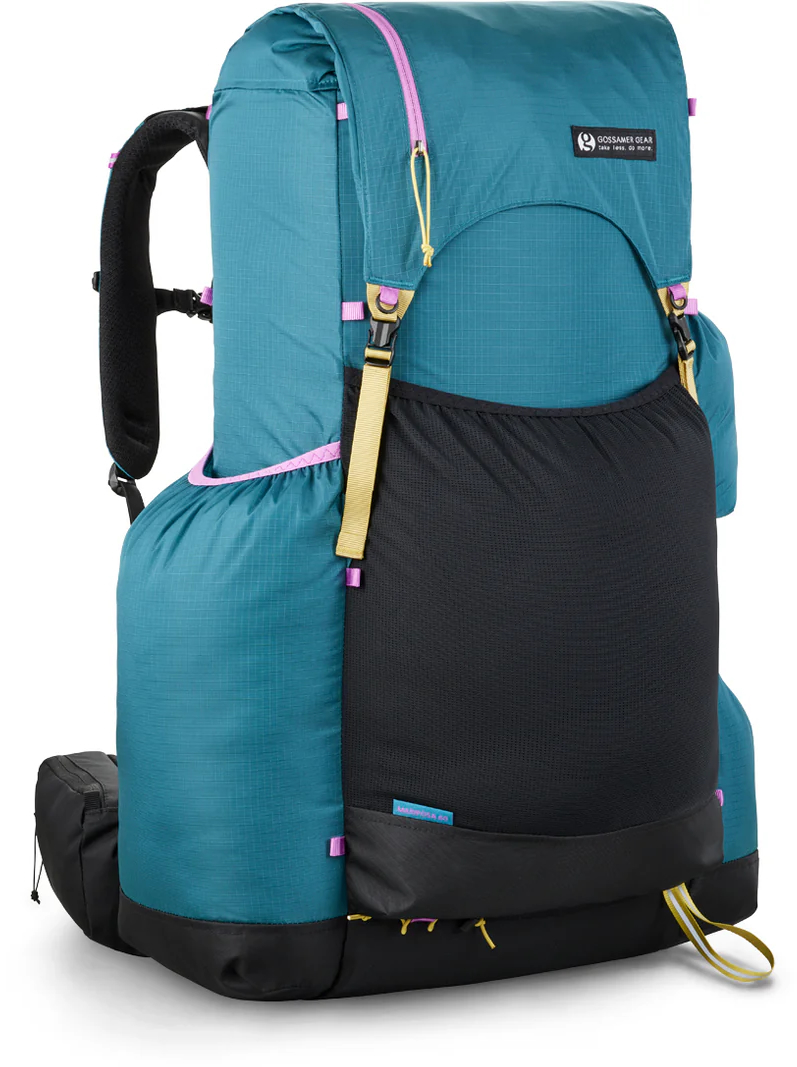
Gossamer Gear Mariposa 60 ($315)
Gossamer Gear Mariposa 60 Ultralight Rucksack (Reissue) Weight: 2 lbs 2.2 oz (medium rucksack and hip belt)
Fabric: Recycled Robic nylon (100D and 200D)
Capacity: 60 litres
Pros: Lightweight and customisable design, ideal for experienced long-distance hikers.
Cons: Durability and fit customisation are not as good as the ULA Circuit; price has risen significantly compared to previous models.
Gossamer Gear is a renowned brand in the ultralight hiking sector, with a popular range of rucksacks suitable for a variety of adventures. Their largest rucksack, the Mariposa 60, is one of our top choices for everyday use, proving equally capable on short overnight trips or week-long treks. Weighing just 2 pounds (with a medium frame and straight hipbelt), this rucksack offers 60 litres of capacity, distributed across a main compartment and seven external pockets, and provides excellent support for loads of up to 35 pounds (we tested it close to its limit and do not recommend exceeding this). Furthermore, the functional design of this rucksack clearly stems from the expertise of seasoned long-distance hikers: a tall side pocket for a tent or shelter, two pockets on the right-hand side for water bottles and a filter, an elasticated rear pocket for quick access to essentials, a spacious hip belt pocket, and a main compartment compatible with bear-proof canisters. What sets this rucksack apart is its detachable foam back panel, which is located on the outside of the rucksack for easy access and doubles as an excellent seat cushion during roadside breaks and when camping.
Like the Circuit mentioned above, the Mariposa is one of the most popular niche ultra-light rucksacks for outdoor hiking. Although Gossamer Gear clearly wins on weight, it falls short of ULA in several key areas: Firstly, its fabric is noticeably thinner. Whilst this is of little consequence to most casual hikers (our rucksacks withstood daily use and wear), it becomes more apparent for those who spend months trekking on mountain trails each year. One of our authors has personally witnessed his hiking companions encountering fraying seams on the Mariposa during several long-distance treks. Furthermore, the Mariposa offers far fewer options for customising the fit—you can only choose from three torso and hip belt sizes, whereas the Circuit provides more choices (including two styles of shoulder straps). Nevertheless, for professional ultralight hikers who prioritise organisation, the Mariposa remains a highly practical choice.
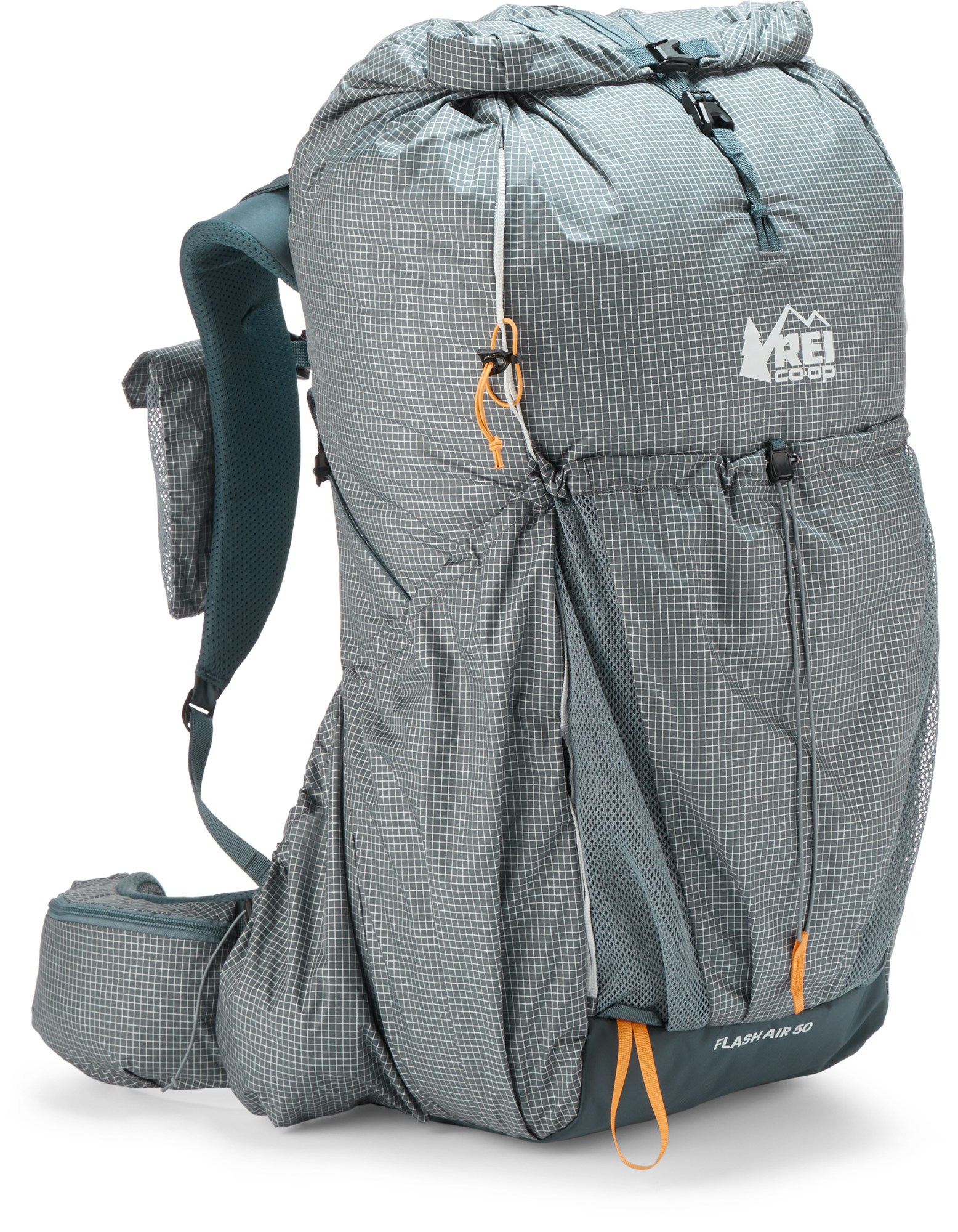
REI Co-op Flash Air 50 ($299)
REI Co-op Flash Air 50 ultra-light rucksack weight: 1 lb 14 oz.
Material: Nylon.
Capacity: 50 litres.
Pros: From a well-known brand; lightweight and comfortable.
Cons: Some may find the hip belt too stiff; limited adjustability.
Fans of the affordable REI Flash rucksack—and of REI gear in general—will be delighted by the launch of the REI Co-op’s lightest rucksack to date: the streamlined Flash Air 50. Inspired by the feedback of numerous long-distance hikers, the Flash Air is designed for fast-paced ultralight hiking and offers a refreshingly straightforward take on the classic ultralight backpack silhouette. It isn’t the lightest on the market, but it certainly falls into the lightweight category and offers superior comfort and greater storage capacity than many of its peers. As REI’s first foray into the ultralight gear sector, we think it’s done a brilliant job. Whilst there’s still room for improvement, we’ve taken it on numerous long-distance hikes—most recently in the Wind River Mountains of Wyoming—and we believe it absolutely deserves a place on this list. The backpack’s breathable, soft-back panel isn’t quite as ventilated as the Osprey Exos mentioned earlier, but considering its weight, it performs remarkably well and can easily carry up to 25 pounds (approximately 11 kilograms). If you need to carry more than that, you’ll need to opt for a backpack with a higher load capacity.
The backpack features ample external storage, including a generously sized front pocket and four side pockets. Two of these side pockets are angled forward towards the hip belt, making it easy to access your water bottle at any time. There are large zipped pockets on either side of the hip belt, featuring thick padding—a thoughtful design, though we wish they were removable to further reduce weight. In fact, apart from the removable Packmod mesh pockets on the shoulder straps, there isn’t much scope for adjusting the weight of the rucksack. Furthermore, whilst we found that its carrying system (featuring a herringbone-shaped steel frame) effectively transfers weight to the hips, some other reviews have complained that, for such a lightweight rucksack, the hip belt is too stiff, leading to discomfort. We did not experience this issue, but we recommend trying the backpack on in a physical shop with a full load before purchasing. If you feel this backpack suits you, the Flash Air strikes a good balance between lightweight simplicity and all-day comfort.