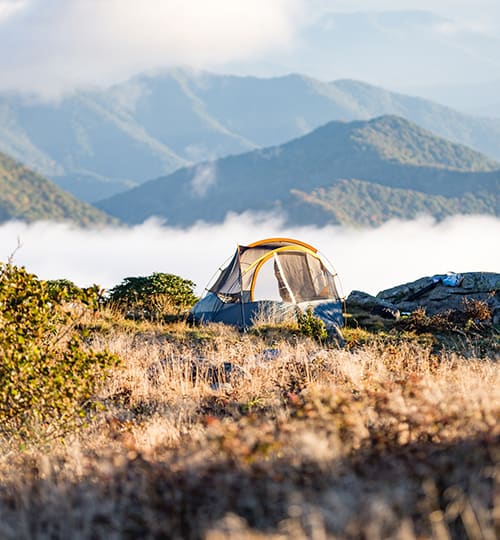
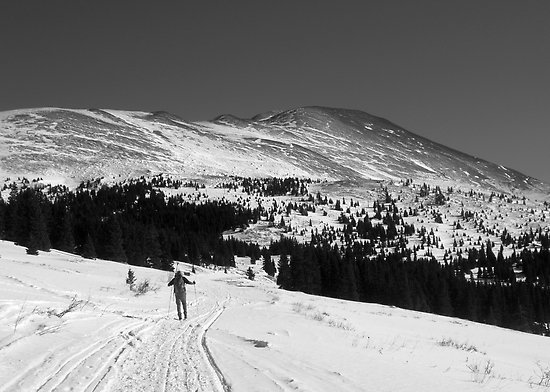
For flat or moderately sloping terrain, sleds are an excellent way to transport equipment. Here’s how to make a simple sled without spending too much money.
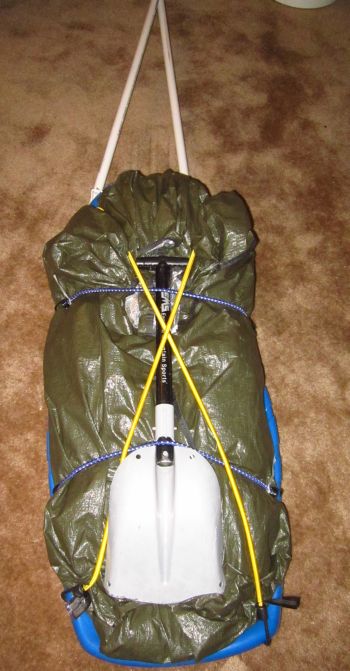
When traveling to mountain huts or winter camping, sleds (also called ski sleds) are a great way to haul gear while skiing or snowshoeing on flat or moderately sloping terrain. Winter gear and clothing can be heavy, especially when traveling to mountain huts. I used to bring a lot of good stuff (food and alcohol!).
In the past, whenever I traveled with a partner, I always found myself carrying more stuff. 🙂 It’s much easier to pull it with a sled than to carry everything on my back.
You can buy very good quality geared sleds on the market, but they are quite expensive.
Unless you’re planning some serious adventure (like skiing in Antarctica?), a simple gear sled is sufficient for most purposes.
My reason for using a sled is simple: to make carrying large amounts of food and alcohol much easier! 😀
Please note that sleds have their limitations. They don’t perform well on steep terrain. Even on relatively gentle terrain, using a sled requires extra caution. For most people, sleds are generally easier to pair with snowshoes than skis.
That being said, here are my instructions for building a cross-country gear sled.
If you buy all the materials at once, the cost of building this geared sled will be around $50.
However, if you’re like most outdoor enthusiasts and already have some materials on hand (elastic ropes, ropes, tarpaulins, carabiners), then the cost might just be the sled and PVC pipes… or perhaps only $25.
Materials
A children’s plastic sled (like the kind sold at Walmart, Target, or your local hardware store).
If you have a larger budget, a JetSled or similar product would be better.
Children’s sleds are best suited for flat, wide terrain. Wooden sleds are easier to use in tight spaces and are more durable.
Tip: JetSled (wooden sleds) are often on sale at many hardware stores in March and April. Thanks to some readers’ suggestions, I’m currently using this type of sled.
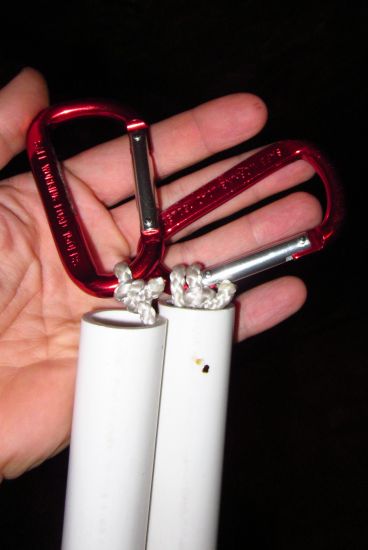
(2) A 5-foot 1/2-inch PVC pipe. Home Depot sells 10-foot PVC pipe and can cut it in half for you.
(2) A 6-foot rope
(2) Small carabiners. Carabiners for hanging water bottles are not recommended. Climbing carabiners are best if available. However, the weight-bearing carabiners sold in hardware stores, while not specifically for climbing, are perfectly adequate. 5ft x 7ft waterproof tarpaulin
Large nylon gym bag (or two; see below)
(3) 1ft elastic cord and (2) 2ft elastic cord
Steps
Basic sled construction
Thread the ropes through each tube.
Secure the ropes and tubes to the sled
Packing Gear
Lay the tarpaulin on the sled.
Pack your gear, storage bags, etc., into the travel bag as you would a regular backpack.
Place the duffel bags (or multiple duffel bags; it’s a good idea to use a separate duffel bag for food and drinks) on the tarpaulin.
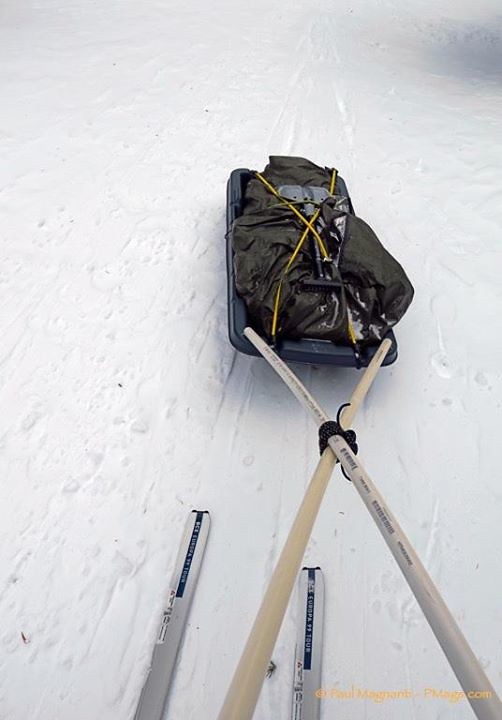
“Binner Wrap” Nylon Gym Bag: Wrap two one-foot ropes around the nylon bag and secure them to the top and bottom thirds of the sled, respectively.
Cross the other two ropes at both ends of the sled into an “X” shape.
At this point, you may also need an avalanche shovel.
Now, cross the PVC pipes to form an “X” shape.
Connect the pipes in the middle of the “X” shape with elastic ropes.
The “X” shaped formation is more stable and provides better control.

You can also use a backpack instead of a travel bag. I find gym bags are better suited for pulling sleds. Of course, backpacks are more versatile. Specific needs may vary from person to person.
Why use a tarpaulin? Tarpaulins have many uses in the wild. They prevent snow from getting into your sleds, and if you have multiple sleds, a tarpaulin can hold everything together well (especially if the sled shakes or even tilts)
Carrying Gear
Secure the carabiners above the waist belt of your backpack.
Try to position the PVC tubing along the sides of the sled, rather than just at the back. This improves the sled’s rigidity and maneuverability.
Carrying Pack. 🙂