This article can be seen as a crash course for first-time backpackers. In it, I share all my most practical backpacking tips to help you get fully prepared and set off on your first backpacking trip with confidence.
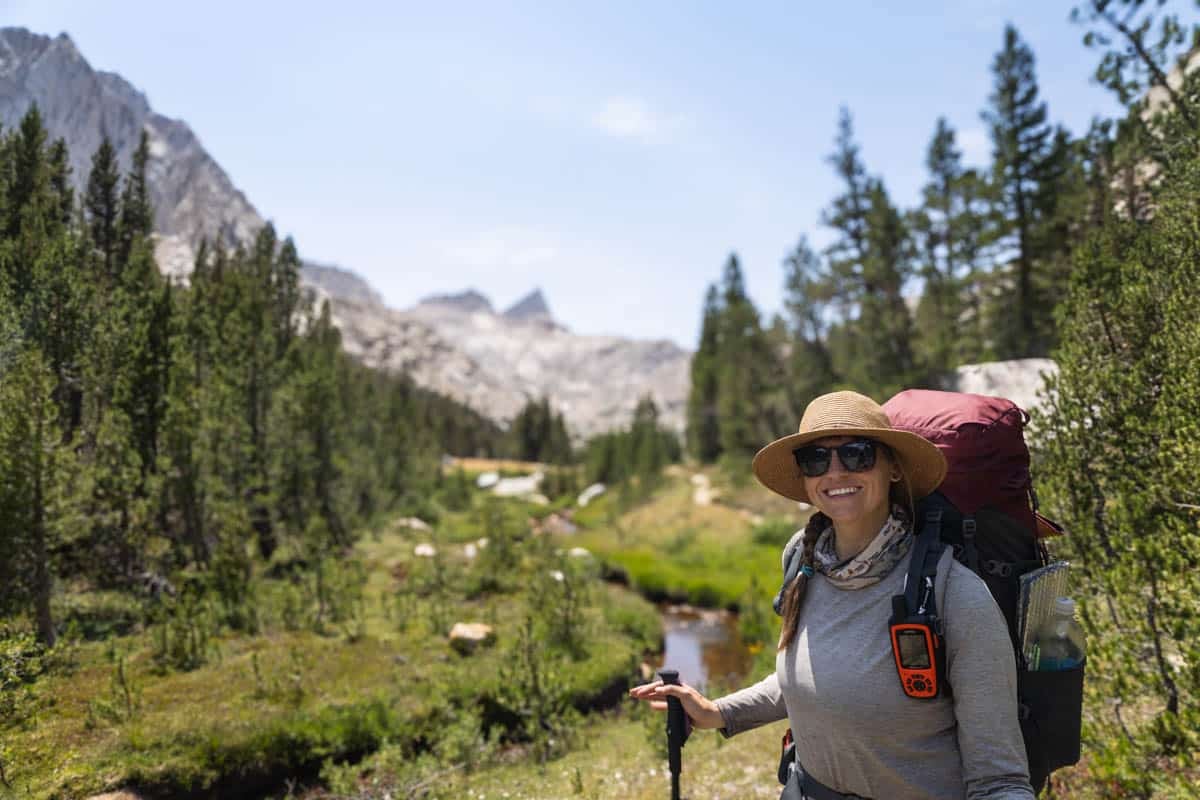
Backpacking is my favorite way to connect with nature, and one of the few ways I can completely let go of my worries and immerse myself fully in the wilderness. I really enjoy the physical challenge; usually, after just a day or so of hiking, the trivialities and worries of daily life simply vanish.
If you’ve never tried backpacking before, perhaps it’s these very feelings that will inspire you to embark on your very first hiking adventure.
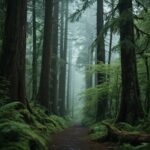
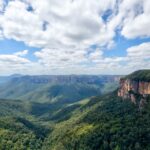
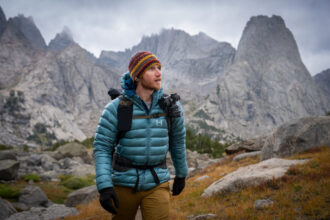
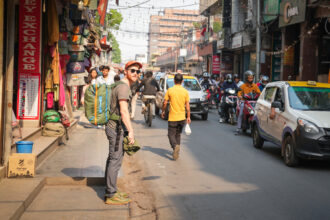
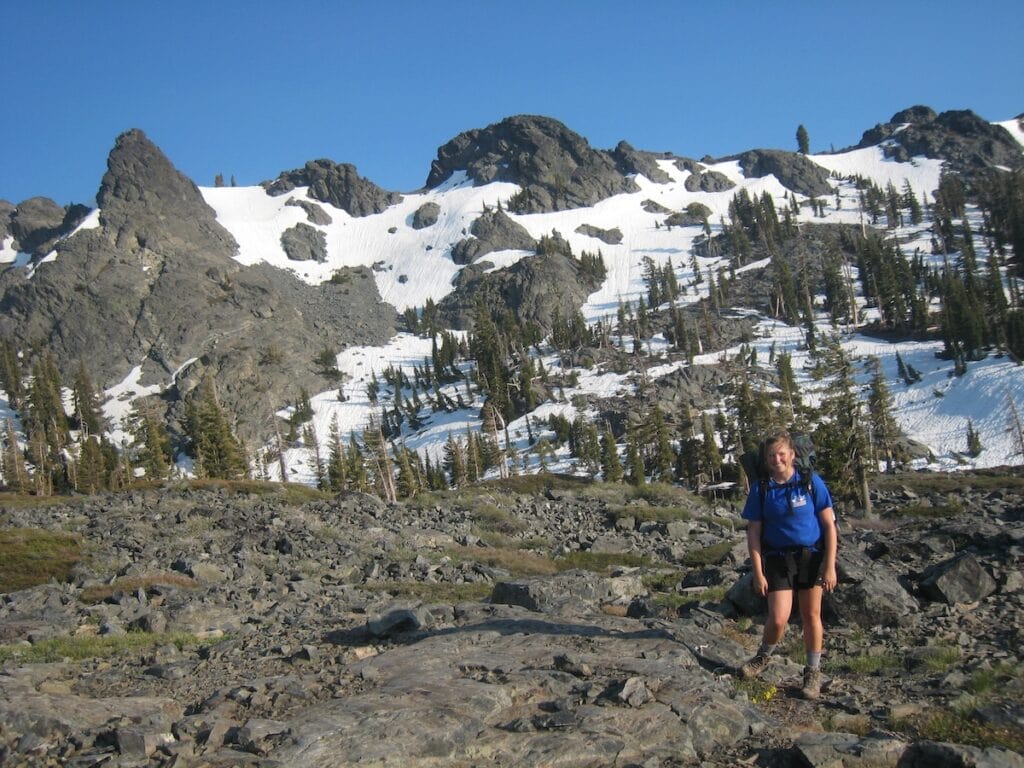
My first backpacking trip was in 2005. At first, I fell into quite a few of the pitfalls that beginners often encounter. Just like the journey documented in the photos, we got completely lost and almost ran out of food. Back then, there were very few beginner’s guides to refer to, so we had to figure everything out on our own, stumbling along the way.
Since then, I’ve backpacked over 1,000 miles on some of the most iconic and remote trails in the United States, gathering all the beginner backpacking tips I wish I’d known when I first started.
So in this beginner’s backpacking guide, I’ll teach you the basics of how to get started with backpacking. You’ll learn everything you need to know about planning a backpacking trip, such as choosing a route, the gear you’ll need, packing food, safety, and more.
My goal is to help you be more organized and confident, and to reduce the feeling of being overwhelmed when preparing for a backpacking trip.
Choosing Your Backpacking Dates
Your travel dates directly determine where you should go, as the weather will greatly impact your entire trip. Good weather makes backpacking much easier and is more suitable for first-time travelers.
For summer backpacking, mid-July to late September is generally the ideal time for hiking in the mountains. If you go too early in the summer or too late in the fall, there may still be snow in the mountains, which can be quite challenging for beginners; additionally, there tend to be more mosquitoes in early summer.
Spring and Fall Backpacking: If you plan to travel during spring or fall but don’t intend to go to the mountains, desert routes are a good option. Avoid the desert in summer, as it is scorching hot with almost no shade. If you choose a desert for your first backpacking trip, you must pay extra attention to water planning.
For beginners, there are very few places suitable for safe and comfortable backpacking in winter. I recommend avoiding winter for now and using this time to build up your physical fitness in preparation for future trips (more on this later).
Once you’ve settled on a general season, you can further narrow down your specific destination options.
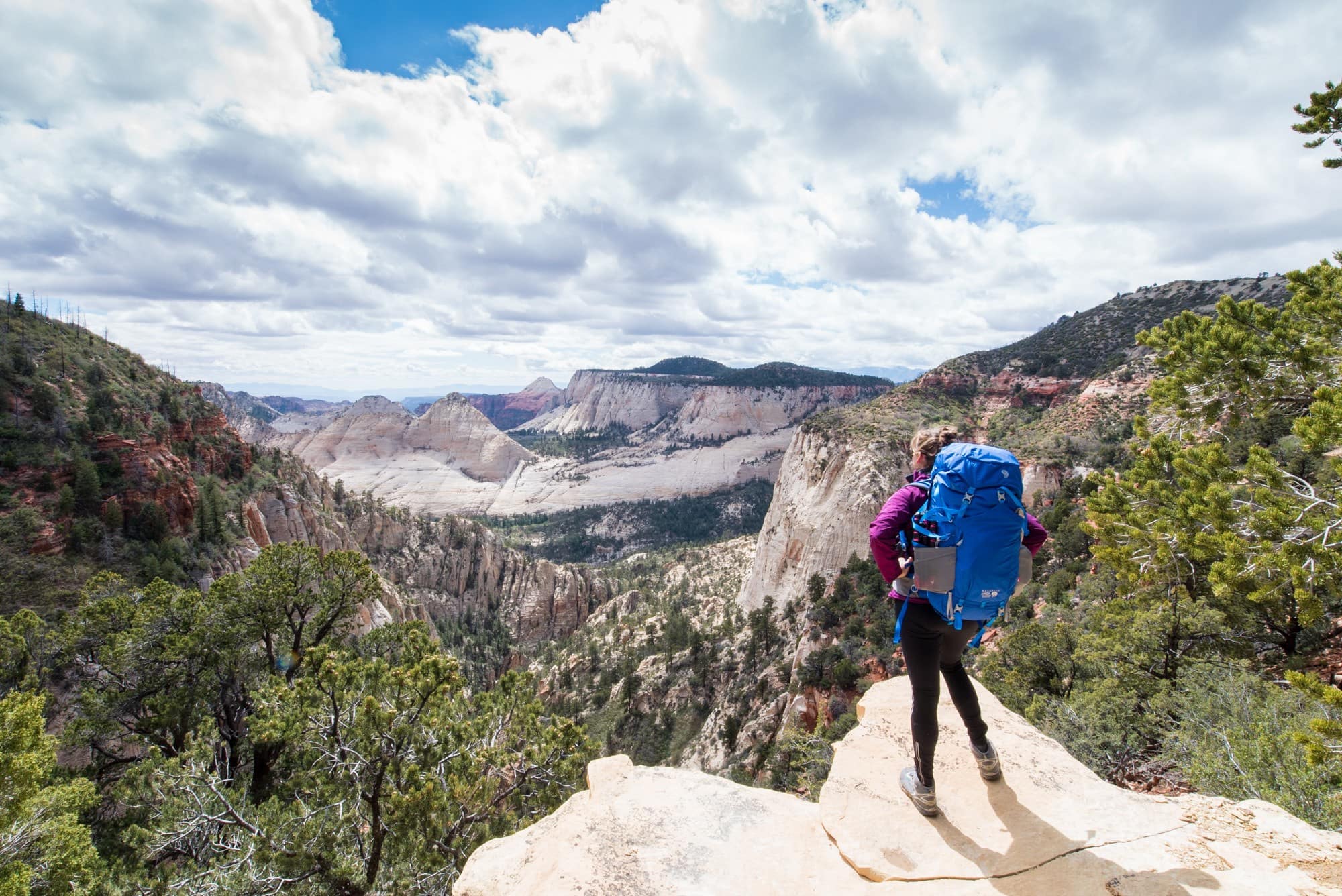
Choose a Trail
As a first-time backpacker, it’s best to start with a short, easy route that lasts 1–2 nights so you can gradually gain experience. Short, easy routes are ideal for practicing packing, pitching a tent, and mastering basic skills, and they won’t leave you completely exhausted right from the start.
To find the right trail, you can use popular hiking apps, browse outdoor blogs, buy local hiking guides, or simply search online for “best backpacking trails in [region].”
When choosing your first trail, focus on these key points:
Distance: For beginners, walking 5–7 miles (about 8–11 kilometers) per day is a good starting point, especially while you’re still getting used to carrying a pack. Shorter distances allow you to take in the scenery at a leisurely pace without rushing. When I hike, it takes me about 40 minutes per mile—much slower than my usual pace—so 7 miles takes roughly 4.5 hours.
Elevation Gain: For your first hike, aim to keep the daily elevation gain between 500–1,000 feet, adjusting based on your personal fitness level. This may not seem like much, but hiking steep slopes with a heavy pack is significantly more strenuous.
Terrain: Prioritize trails with clear signage and well-maintained paths to minimize the risk of getting lost. When starting out, avoid sections involving climbing, route-finding, or scrambling over boulders, and try to steer clear of trails that require wading across rivers.
Camping Conditions: Whenever possible, choose routes near lakes or streams to make it easier to access water for drinking and cooking, which will save you a lot of trouble.
Bringing a Dog: Hiking with a dog requires extra dog food and more water, significantly increasing your load. I recommend not bringing a pet on your first hike. If you must bring one, be sure to confirm in advance that the trail alloCheck Permit Requirements
Once you’ve decided on your backpacking destination and dates, be sure to confirm in advance whether you need to obtain the necessary permits.
For many hiking trails—especially popular routes in national parks—backcountry camping permits must be reserved several months in advance. In such cases, it’s advisable to allow for some flexibility in your travel dates to avoid being unable to go if your preferred dates are already fully booked.
Some permits are issued on a first-come, first-served basis. If you plan to hike a popular route or travel on a weekend, it’s best to arrive and line up before the ranger station opens. You should also have a backup plan in case you’re unable to secure a permit.
Depending on the hiking area, permits often come with additional regulations. For example, in areas with bear activity—such as the Sierra Nevada, Montana, and Wyoming—food and odorous items must generally be stored in bear-proof containers or bags. On some popular trails, you’ll need to use portable waste bags (such as Wag Bags) to carry out your waste.ws pets and refer to the relevant precautions for hiking with dogs.
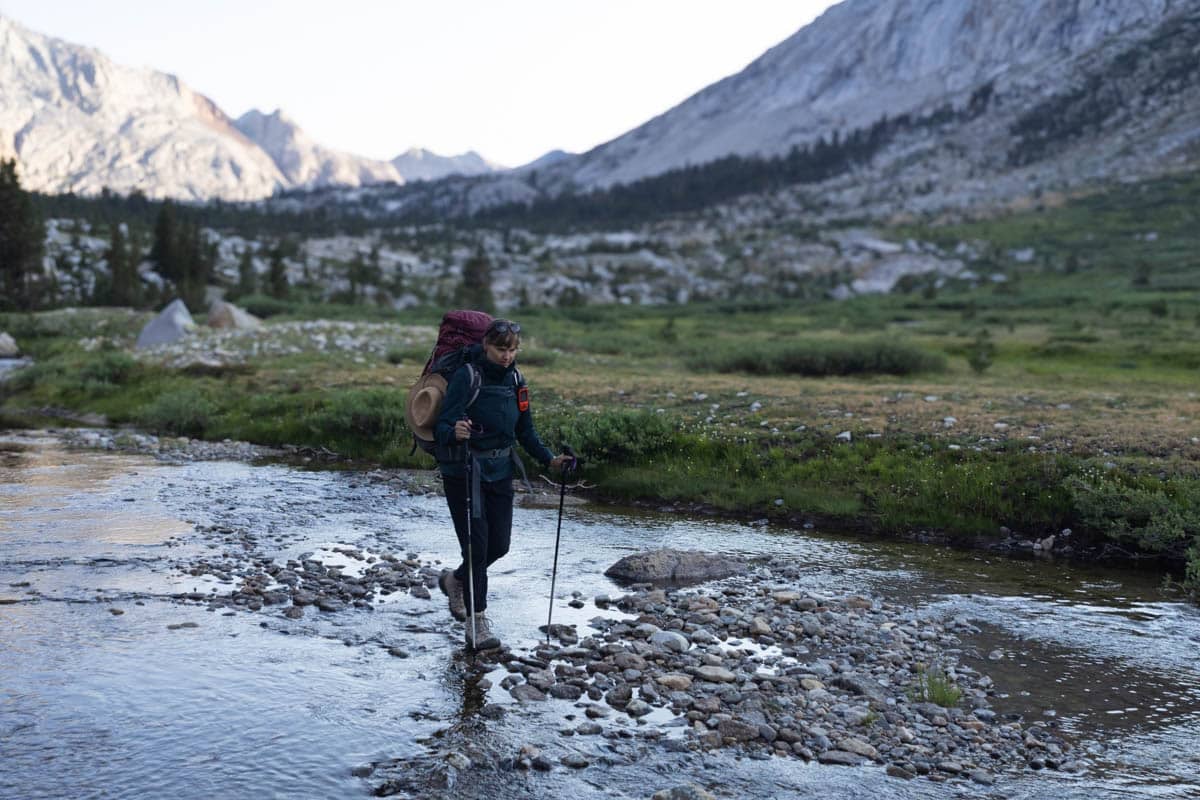
Plan Your Transportation
Your transportation options will depend largely on the type of hiking trail you choose and whether you’re backpacking on your own or traveling with a group. Check a topographic map to locate the trailhead and designated parking areas.
If you choose a loop trail (my favorite!) or a round-trip trail, you won’t need to rent an additional car. However, if you choose a point-to-point hike, you’ll need to park a second car at the other end of the trail before you start, or arrange for a shuttle service.
What Gear Do You Need for Backpacking?
Backpacking gear can be quite expensive. If you’ve made up your mind and believe this is just the first of many hikes, I recommend choosing high-quality, lightweight gear from the start. Lighter gear makes the journey much easier and more enjoyable, and it prevents you from buying a bunch of heavy gear only to have to replace it all after a few trips.
Backpacking Essentials
Much of the key advice for beginners actually revolves around gear. It’s easy to accidentally pack too much, ending up with a heavy backpack and even questioning why you set out on the hike in the first place. I’ve made this mistake myself—even though I’m experienced, I still can’t resist overpacking, and I always regret it afterward.
At the same time, however, you absolutely cannot leave out essential items, as they often directly determine the success or failure of a trip.
For a comprehensive guide on what to pack, start by checking out my three-day backpacking checklist. It lists the items I actually use on every trip, helping you avoid leaving anything behind.
However, some of the gear mentioned in that article can be a bit pricey for beginners, so here I’ve curated a list of more budget-friendly, beginner-friendly essentials:
An ill-fitting backpack can be extremely uncomfortable and even ruin your entire trip, so choosing the right pack is crucial for your first backpacking trip. A 50–60-liter capacity can easily hold all the gear you need for a 1–2 night trip and will suffice for longer hikes in the future. I recommend the REI Flash 55 or the Deuter Aircontact—both are quite affordable.
Backpacking Tent: Never bring a large car-camping tent—those are much heavier and will seriously slow you down. If you’re traveling with a partner, I suggest a two-person backpacking tent, with the total weight (tent body + poles + rain fly) ideally kept under 4 pounds. Generally, the lighter the tent, the more expensive it is. While the REI Half Dome SL2+ is slightly heavier than my ideal weight, it strikes a great balance between value and lightweight design.
Sleeping Pad: You really shouldn’t skimp on a sleeping pad. It provides both cushioning and insulation, and a poor night’s sleep could easily make you never want to hike again. Avoid foam pads with poor cushioning and opt for a lightweight inflatable model instead. I’ve tested many models, and my top recommendation is the Therm-a-Rest ProLite Plus. It isn’t the lightest or smallest, but it’s affordable and offers solid comfort.
Sleeping Bags Down sleeping bags are lighter and provide better insulation than synthetic ones. Aim for a model weighing under 3 pounds. For most summer conditions, a 20°F (approx. -7°C) rating is sufficient, but a good rule of thumb is to choose a sleeping bag rated about 15°F lower than the expected overnight low. I often use Enlightened Equipment’s quilt-style sleeping bags—they’re lightweight, comfortable, and pack down extremely small, which I prefer over traditional mummy-style bags; the REI Magma series is also a solid choice.
Stove A lightweight backpacking stove lets you enjoy hot meals and hot water, so you don’t have to rely solely on energy bars to get by. You don’t need to cook anything complicated from scratch—ready-to-eat dehydrated hiking meals just require boiling water. For beginners, Jetboil is the simplest and most user-friendly option.
Headlamp A headlamp is far more convenient than a flashlight; it frees up your hands and is much lighter. Never rely on your phone’s flashlight—the battery drains quickly, and you’ll easily find yourself in the dark.
Trekking Poles: Trekking poles are very beginner-friendly; they help you maintain balance, reduce stress on your knees, and keep a steady pace on all types of terrain. Plus, most trekking poles can be attached to your backpack for easy storage.
Water Filter: Drinking directly from streams or rivers can easily lead to infections from parasites like Giardia—definitely not the way to end a great trip. Be sure to bring a water filter and know how to use it. I’ve recently been using the Hydroblu VersaFlow with a CNOC Outdoors 2L hydration bladder, and I also carry water purification tablets as a backup.
Top 10 Essential Safety Items The “Top 10 Essentials” is a time-tested safety checklist covering key gear like food, water, navigation, and a first-aid kit—the core essentials you should carry on every hike.